News
- 2026-04-15
- 630
- 5 Comments
Precision Mold Parts Machining for Robotics & New Energy: Key Technologies & Future Trends M
Precision Mold Parts Machining for Robotics & New Energy: Key Technologies & Future Trends
Meta Description (155 chars): Precision mold parts machining enables high-performance robotics joints, new energy battery/cell components, and EV motor parts with ±0.001mm tolerance, driving industry innovation.
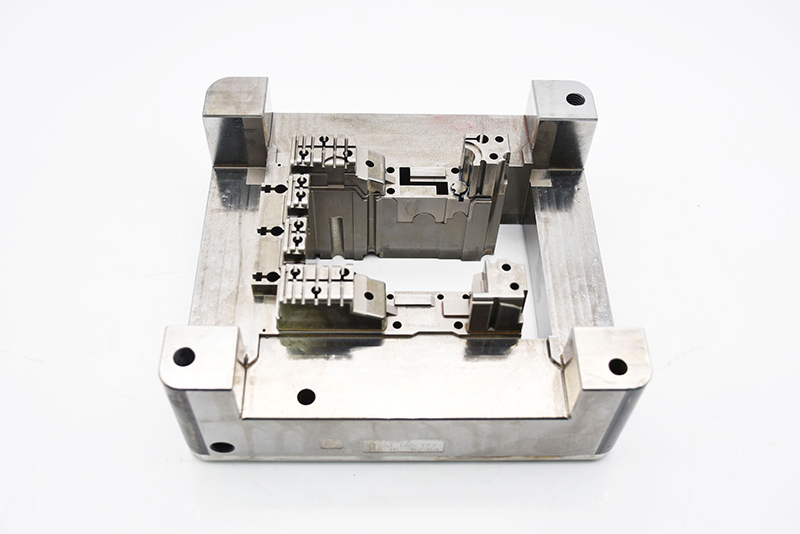
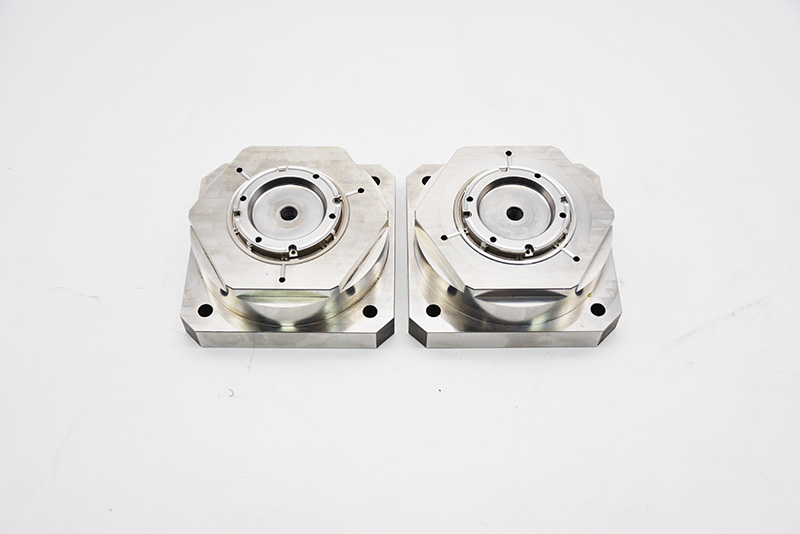
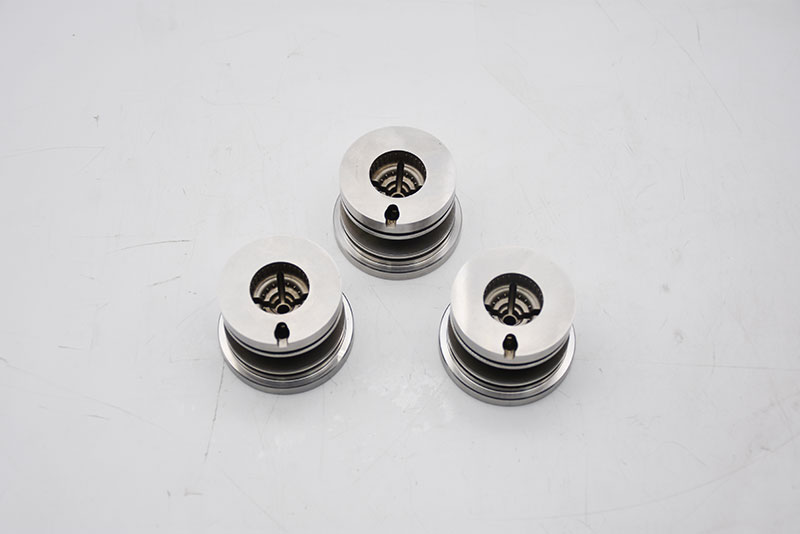
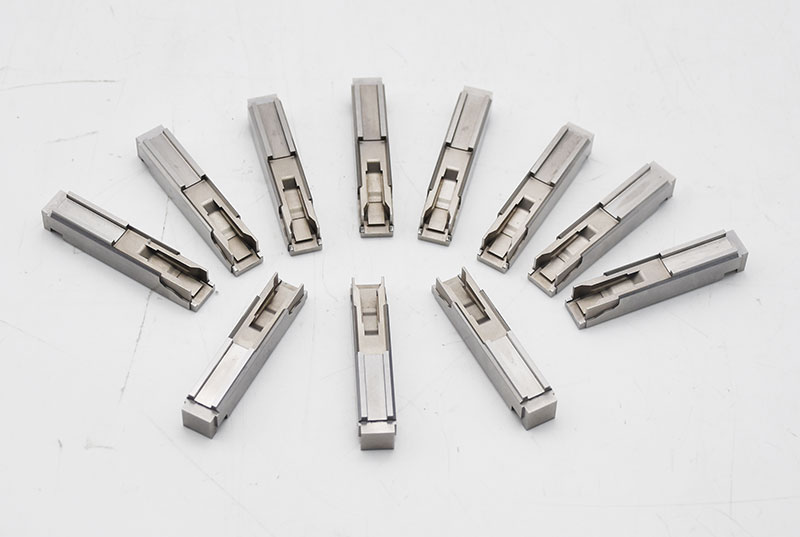
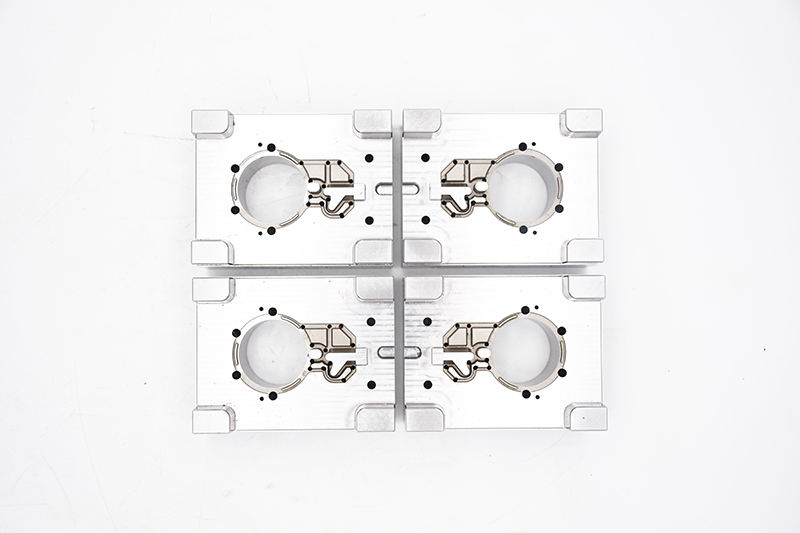
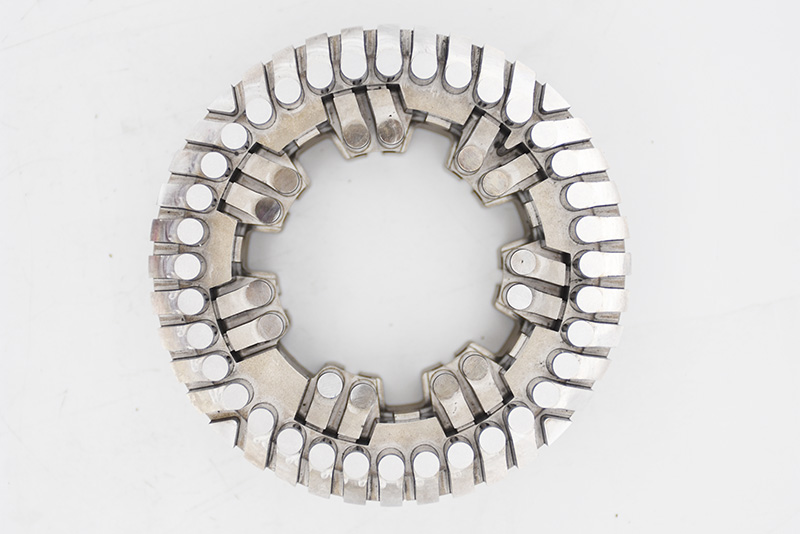
The rapid growth of humanoid robotics, industrial automation, and new energy vehicles (NEVs) has created unprecedented demand for ultra-precision mold parts. These industries require components with micron-level accuracy (±0.001mm), extreme durability, and consistent repeatability—making precision mold parts machining the foundational technology behind next-generation manufacturing. From robotic joint reducers and gripper inserts to NEV battery module housings and motor stator molds, every critical part relies on advanced machining to ensure performance, safety, and mass-production scalability.
Core Applications in Robotics & New Energy
Robotics Precision Mold Parts
Joint & Reducer Components: Mold inserts, bearing seats, gear cavities, and housing molds for industrial robots, collaborative robots, and humanoid robots. These parts demand tight concentricity (<0.002mm) and smooth surfaces (Ra≤0.02μm) to ensure zero backlash, stable motion, and long service life under millions of repetitive cycles.
End-Effector & Sensor Molds: Micro-mold parts for robotic grippers, vision sensors, and force-control modules, requiring complex micro-cavities and high-precision alignment to support delicate assembly and perception functions.
New Energy (NEV & Energy Storage) Mold Parts
Battery & Cell Components: Precision molds for battery shells, cooling plates, cell casings, and module connectors. These parts need high sealing, thermal stability, and corrosion resistance, with tolerances controlled to ±0.001mm to prevent leakage and ensure battery safety.
EV Motor & E-Drive Parts: Mold cores, stator/rotor laminations, and insulation component molds for electric motors, requiring high wear resistance and dimensional stability to maintain magnetic performance and efficiency.
Key Machining Technologies for Robotics & New Energy
5-Axis High-Speed CNC Machining: Single-setup processing of complex curved surfaces for robotic joint molds and NEV battery molds, achieving positioning accuracy ±0.0005mm and reducing clamping errors by 90%.
Wire EDM & Sinker EDM: For micro-slots, deep cavities, and high-hardness materials (H13, S136, carbide) used in robot reducer molds and motor stator molds, delivering Ra0.01μm surface finish and ±0.001mm precision.
Precision Grinding & DLC Coating: Mirror polishing and diamond-like carbon (DLC) coating for mold parts, enhancing wear resistance (HV3000+) and reducing friction—critical for high-cycle NEV and robotic production lines.
Digital Simulation & Quality Control: CAD/CAM/CAE simulation to optimize mold design, plus CMM inspection (±0.5μm accuracy) and full traceability, meeting IATF 16949 (NEV) and ISO 13485 (robotic medical) standards.
Future Outlook
As robotics moves toward mass humanoid deployment and NEVs pursue 800V platforms and solid-state batteries, precision mold parts machining will evolve toward higher automation, smaller micro-precision, and smarter digitalization. Suppliers that master micron-level machining, material-specific processing (PEEK, high-temperature alloys), and lean production will dominate the global supply chain for robotics and new energy core components.
CTA: Need precision mold parts for robotics or new energy projects? Send your 3D drawings for a free feasibility analysis and quotation—we deliver ±0.001mm tolerance and fast lead times for high-volume production.
Related Posts
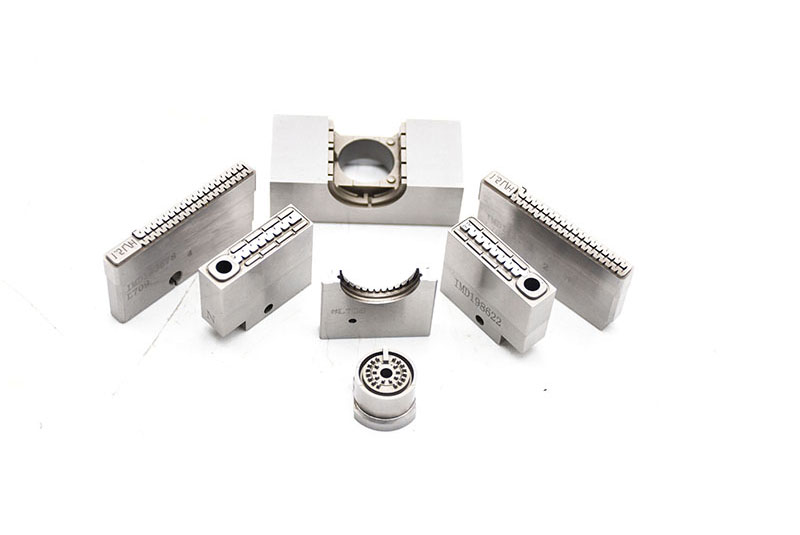
- Precision Irrigation mold cavity and spare parts
- zefu-mold
- 1442
Precision Multi-cavity Injection Mold for Irrigation Part
Explore More