Precision Mold Core Machining: Techniques, Material Selection, and Industry Applications
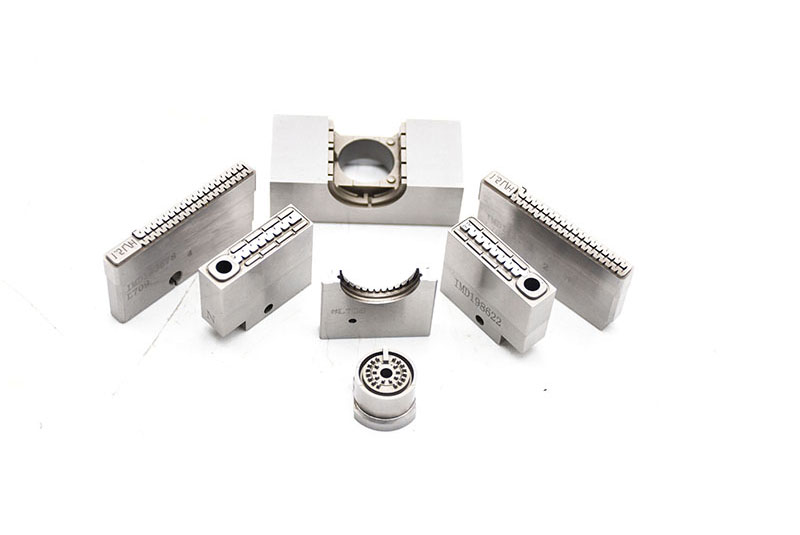
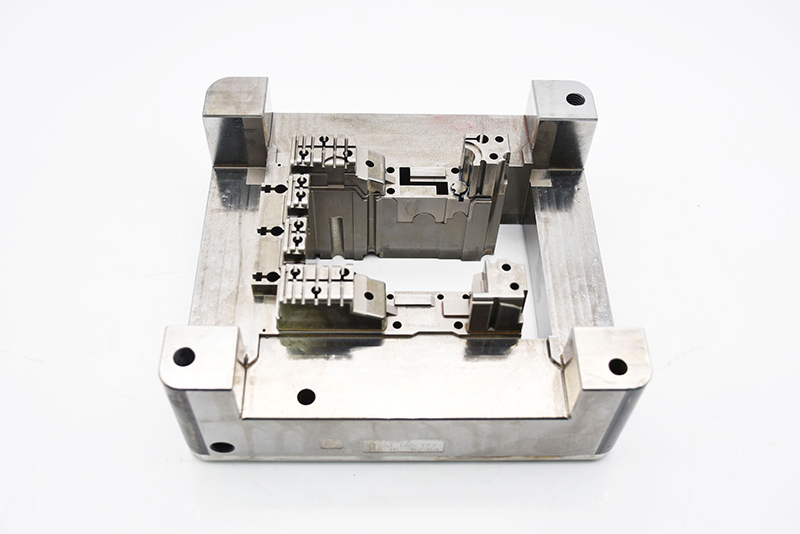
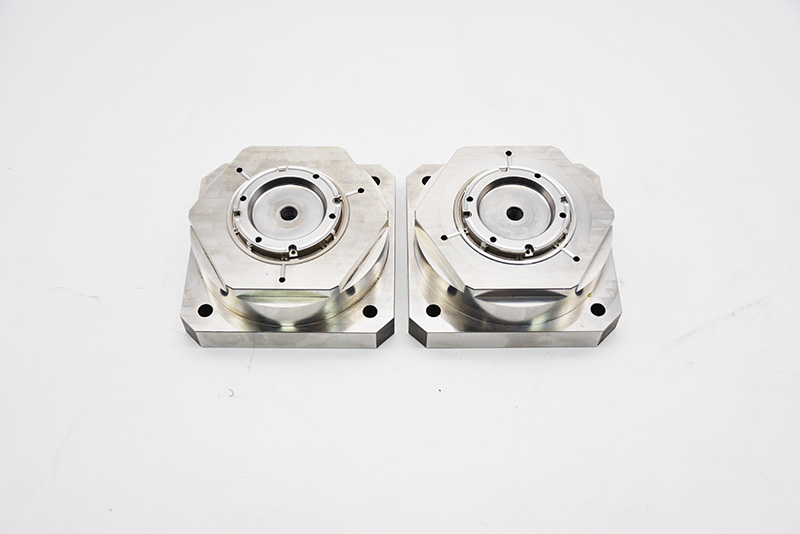
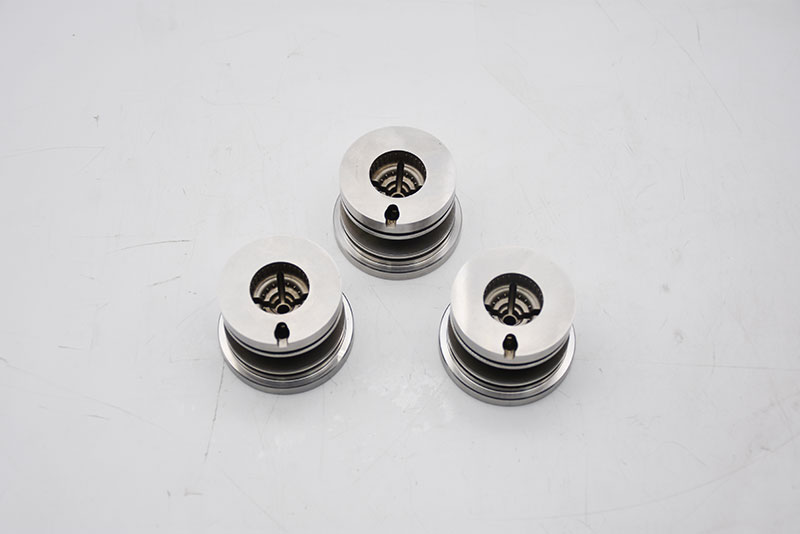
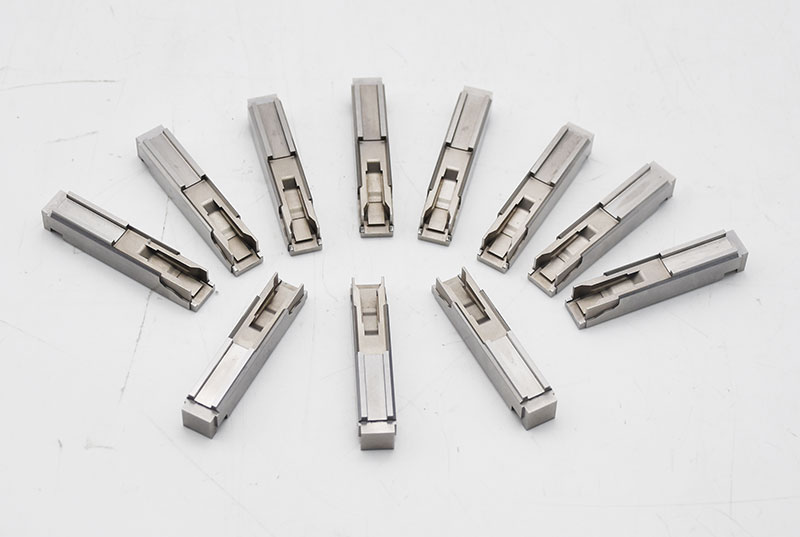
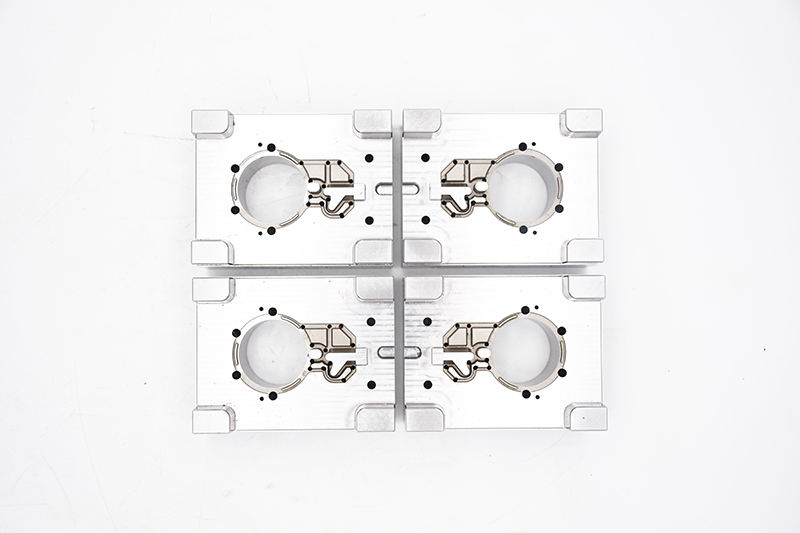
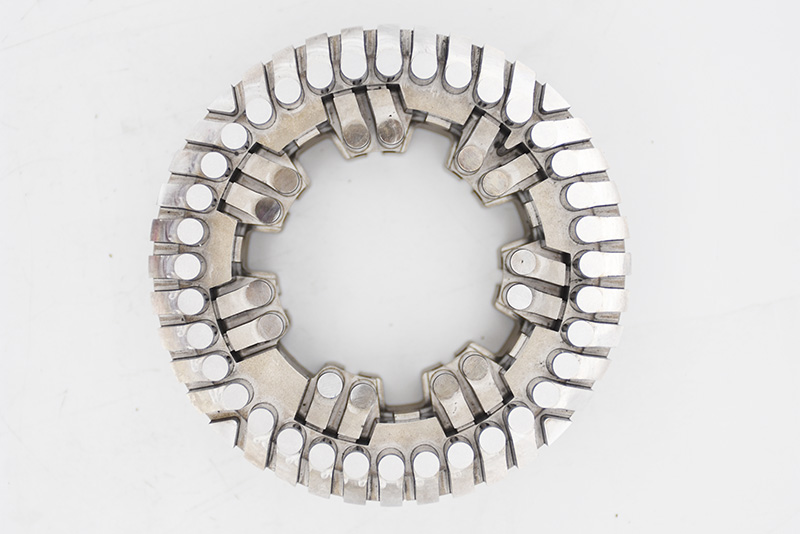
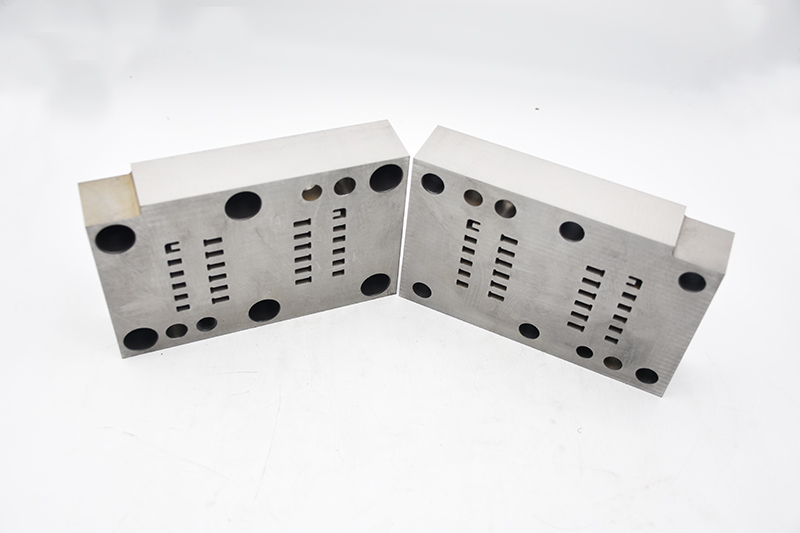
As the core component of injection molds, precision mold core machining is a critical process that determines the shape, precision, and surface quality of plastic products. The mold core (also known as the male mold) is responsible for forming the internal structure of plastic parts, requiring micron-level precision, high wear resistance, and excellent corrosion resistance—especially for high-volume production and complex product designs. For global manufacturers in automotive, medical, and electronics industries, mastering precision mold core machining is key to producing high-quality products and gaining a competitive edge.
Precision mold core machining is more demanding than standard mold parts machining, as it involves complex geometries (such as micro-cavities, undercuts, and spiral channels), tight tolerances (±0.001mm), and strict surface quality requirements. Unlike ordinary mold components, the mold core is in direct contact with molten plastic, enduring high temperatures, high pressures, and repeated wear—making material selection, process design, and surface treatment critical to its performance and service life.
Key Techniques for Precision Mold Core Machining
We leverage advanced technologies and optimized processes to deliver precision mold cores that meet the most demanding global applications. Our core machining techniques focus on accuracy, durability, and efficiency:
1. Digital Design & CAE Simulation
Before machining, we use advanced CAD/CAM software (SolidWorks, Mastercam) to design the mold core and simulate the machining process using CAE模流分析 technology. This simulation helps optimize the core’s geometry, predict material deformation, and adjust cutting paths to avoid collisions and errors. For complex mold cores, such as those used in medical syringes or 5G connectors, simulation reduces rework rates by 90% and shortens lead times by 30%.
Precision mold cores often have complex curved surfaces and micro-structures that require a combination of 5-axis CNC machining and EDM. We use 5-axis machining to shape the core’s main structure with high accuracy, then use EDM sinking to machine fine details (such as micro-cavities and undercuts) that are difficult to reach with traditional cutting tools. This combination ensures that the mold core meets tight tolerances and has a smooth surface, critical for producing high-quality plastic parts.
3. Surface Treatment for Enhanced Durability
To extend the service life of precision mold cores, we apply advanced surface treatment technologies tailored to the application. DLC (Diamond-Like Carbon) coating is used for high-cycle production, providing a hardness of up to 3000 HV and low friction coefficient (≤0.1), reducing wear and improving release performance. For corrosive environments (such as medical or food packaging molds), plasma nitriding treatment forms a corrosion-resistant layer, meeting ISO 13485 and FDA standards. These treatments ensure that mold cores maintain micron-level precision after hundreds of thousands of mold cycles.
Material Selection for Precision Mold Cores
The choice of material directly impacts the performance and service life of precision mold cores. We select materials based on the application’s requirements, ensuring a balance of precision, durability, and cost-effectiveness:
• S136 Alloy Steel: Ideal for high-wear, high-corrosion applications (medical, food packaging), with high hardness (58-62 HRC) and excellent polishability. • H13 Alloy Steel: Suitable for high-temperature applications (automotive components), with good thermal stability and wear resistance. • Medical-Grade PEEK/Titanium Alloy: Used for medical mold cores, meeting biocompatibility standards (ISO 10993) and enabling sterile processing. • P20 Steel: A cost-effective option for non-corrosive, low-wear applications (basic electronic components), maintaining micron-level precision at a lower cost.
Global Applications of Precision Mold Cores
Precision mold cores are widely used in global high-tech industries, enabling the production of complex, high-quality plastic parts:
• Automotive Industry: Mold cores for battery pack components, sensor inserts, and connector housings, ensuring ±0.001mm tolerance for electrical conductivity and sealing performance. • Medical Industry: Mold cores for micro-syringes, medical implants, and diagnostic equipment, meeting strict biocompatibility and precision requirements. • Electronics Industry: Mold cores for 5G connectors, chip packaging, and optical components, enabling miniaturization and high integration.
Need high-precision mold cores for your global production? Contact us today—our engineering team will provide a free customized mold core machining proposal, including material recommendations, process design, and surface treatment options. We also offer free sample trials to verify precision and quality, helping you achieve product excellence in the global market!