News
- 2026-09-26
- 498
- 5 Comments
Precision Mold High-Speed Cutting Machining: Low-Deformation High-Efficiency Component Manufacturing
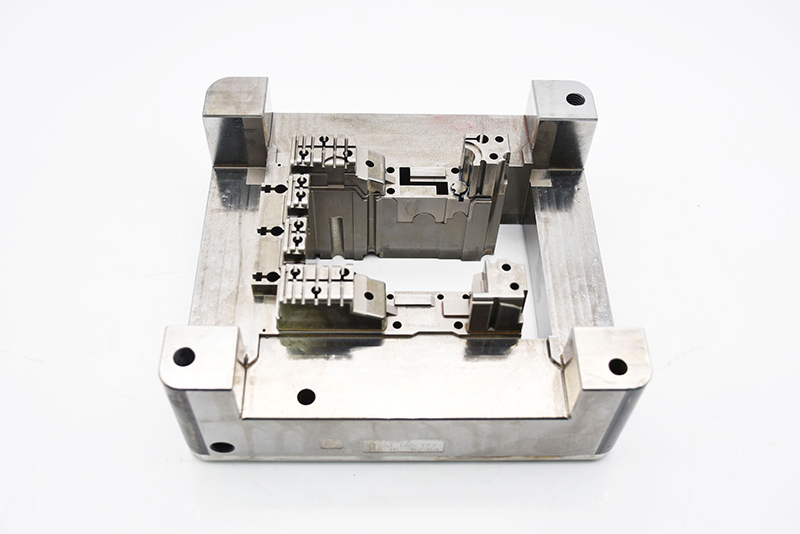
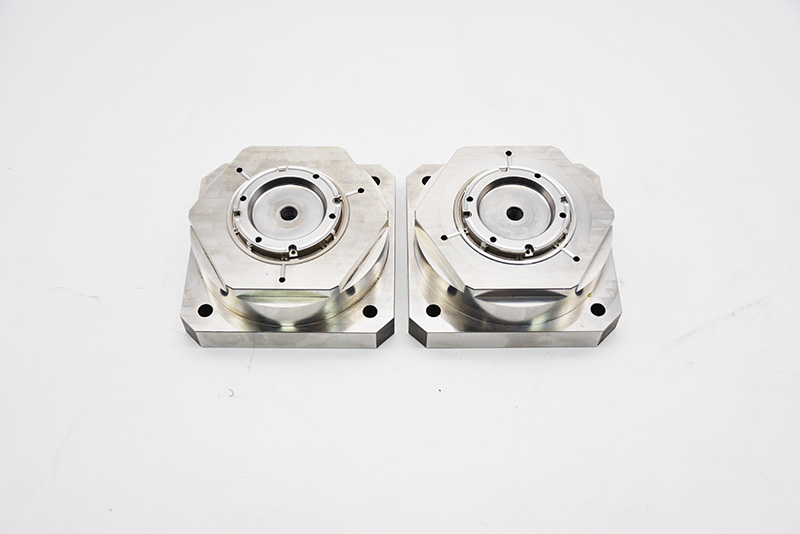
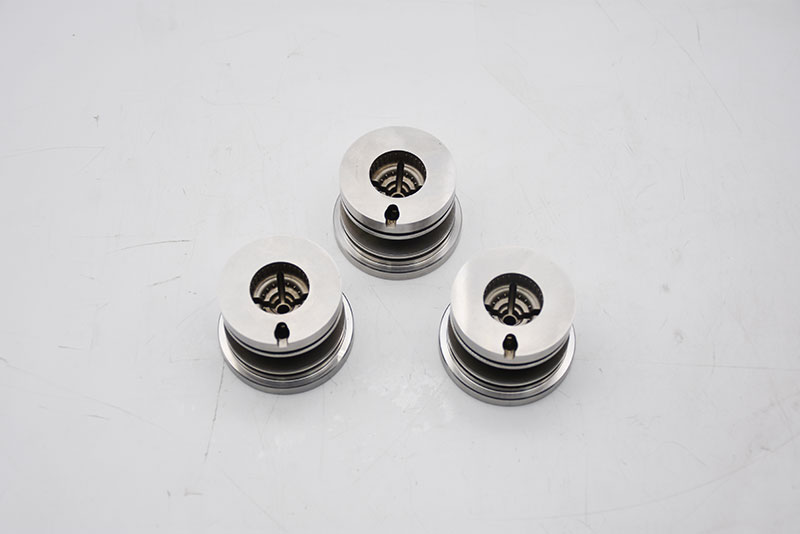
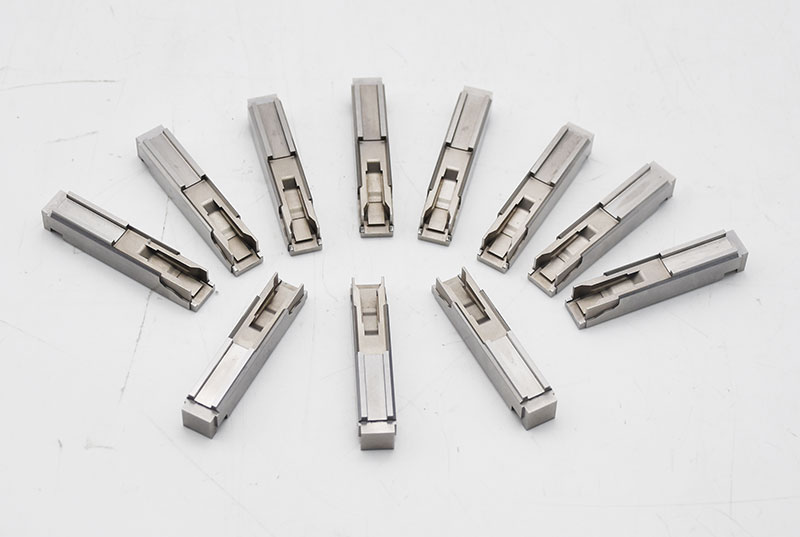
Traditional low-speed heavy cutting produces large cutting heat and mechanical stress, which is easy to cause mold part deformation and tool wear. Precision mold high-speed cutting machining uses high-speed spindle rotation and small-feed cutting strategy to complete high-precision processing of mold cores and parts with low heat, low stress and high efficiency, becoming the mainstream manufacturing process for modern high-end precision molds.
Disadvantages of Traditional Low-Speed Mold Cutting
Traditional processing requires a lot of manual polishing and secondary correction, with long processing cycle and unstable yield, which cannot meet the requirements of high-precision and fast delivery mold projects.
We adopt imported high-speed machining centers to implement small-depth, multi-layer and high-feed cutting for precision mold components. The low-heat cutting strategy controls processing temperature rise within a small range, completely avoiding thermal deformation.
Processing Quality & Efficiency Benefits
Article 4: Precision Mold Assembly Tolerance Matching: Final Fitting Calibration for Zero-Defect Mold Operation
We provide professional full-set mold assembly and tolerance calibration services for all customized precision molds. Through strict gap matching, position calibration and repeated mold closing testing, we ensure zero jamming, zero flash and zero displacement of the assembled mold, realizing long-term stable automatic production.
Even if every plastic mold part meets the drawing standard, tiny accumulated assembly gaps will cause mold misalignment, local flash and unbalanced ejection. Uncalibrated sliding gaps lead to slider jamming and demolding failure. Inconsistent assembly tightness causes mold deformation during high-pressure clamping.
Our Precision Assembly & Tolerance Calibration Process
We perform repeated mold closing tests, color checking and high-pressure simulation clamping to eliminate assembly dead gaps and interference points. Finally, we complete mold trial calibration to ensure that all functional structures and molding precision reach mass production standards.
Professional precision mold assembly tolerance matching eliminates accumulated errors of mold parts, realizes perfect coordination of the entire mold mechanism, and fundamentally solves mold flash, jamming and demolding instability problems. It is the final key process to ensure high-precision, high-stability and long-life operation of precision injection molds.
Related Posts
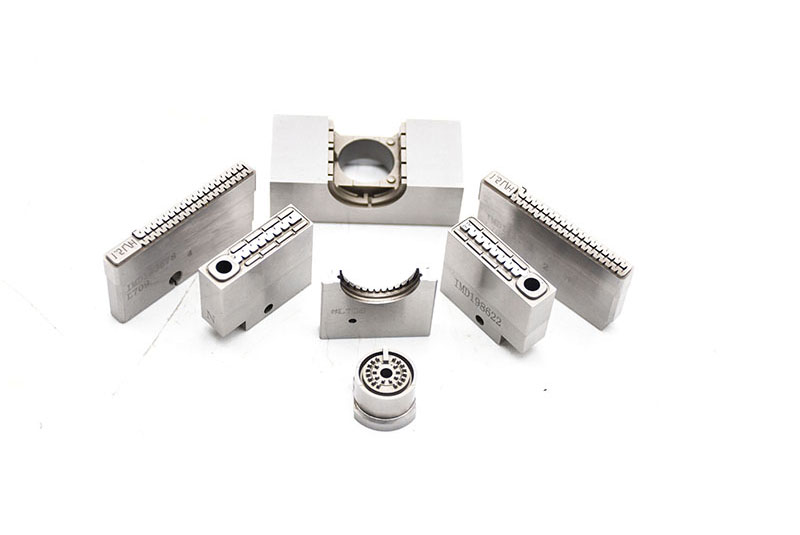
- Precision Irrigation mold cavity and spare parts
- zefu-mold
- 1450
Precision Multi-cavity Injection Mold for Irrigation Part
Explore More