News
- 2026-09-16
- 494
- 5 Comments
Mold Cryogenic Deburring Technology: Zero-Residue Precision Trimming for Mold Components
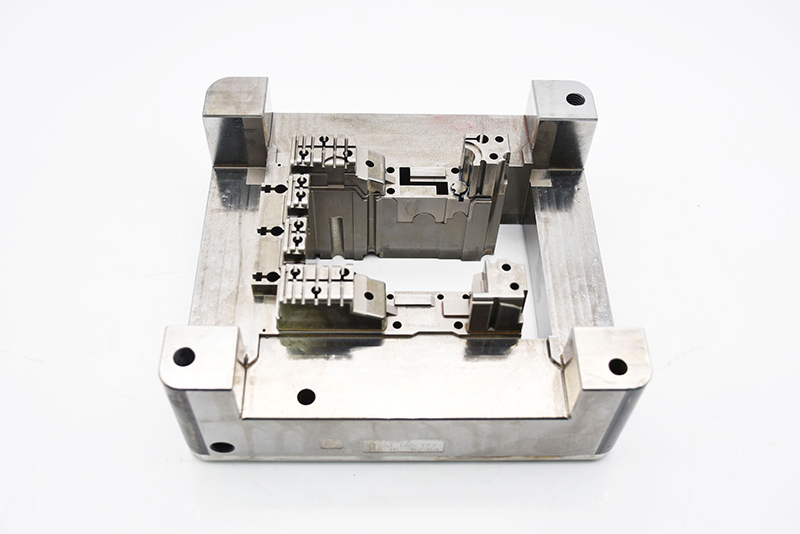
Tiny burrs, sharp edges and residual tool edges on mold cores and inserts are the invisible killers of precision molding. Traditional manual trimming is easy to cause edge collapse, size loss and inconsistent finishing effect. Mold cryogenic deburring technology is a high-precision non-destructive trimming process for precision mold parts, removing micro burrs without damaging mold precision and surface finish.
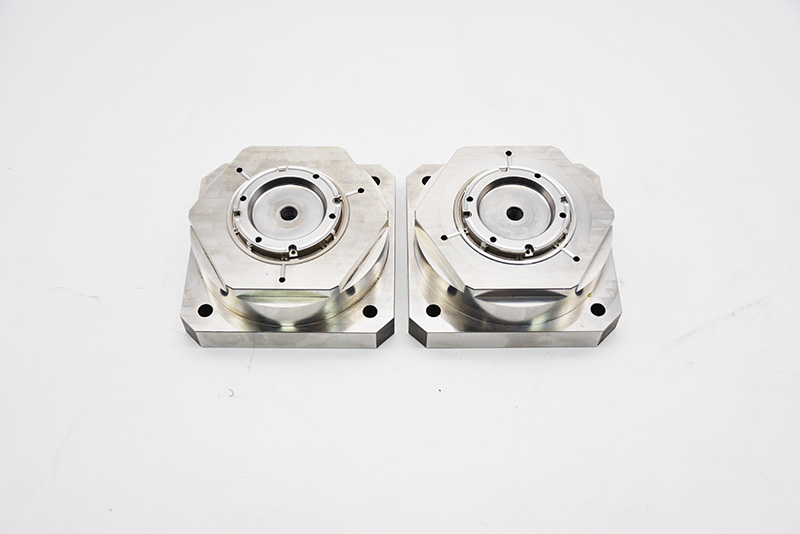
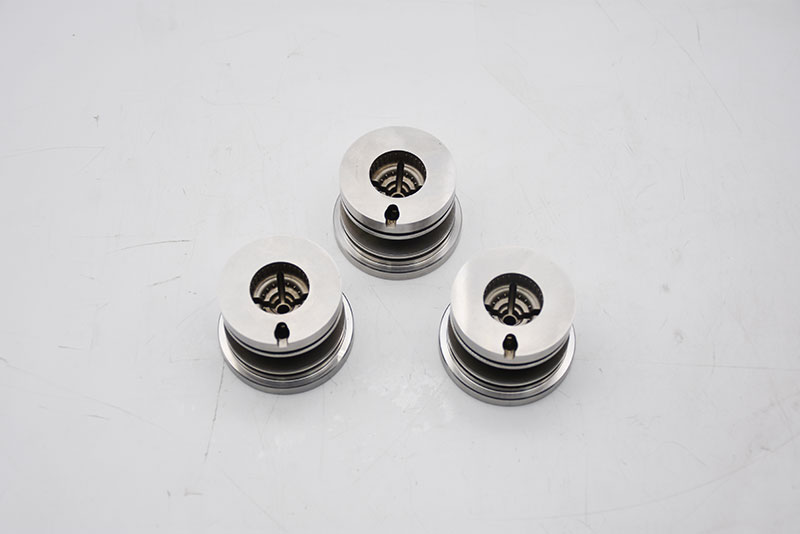
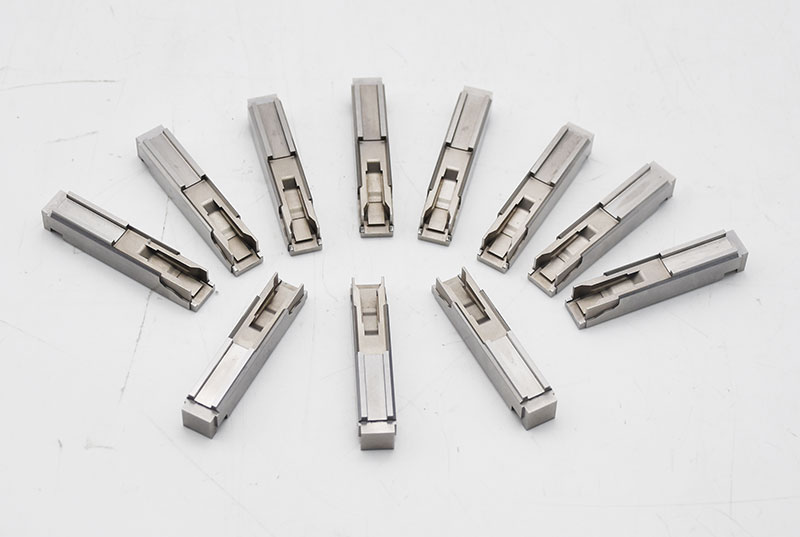
We adopt professional cryogenic deburring treatment for all finely processed mold cores, inserts and tiny structural parts. This advanced process completely removes micro machining residues, ensuring zero sharp edges and zero burrs on mold molding surfaces.
Disadvantages of Manual Mold Deburring
Manual trimming relies on worker experience, easily causing over-polishing, edge chamfering and local size deviation. Tiny burrs in deep grooves and dead corners are difficult to clean thoroughly, which will be copied to plastic products and cause fine flash and poor surface texture.
Ununiform manual trimming also leads to inconsistent mold parting surface tightness, affecting mold sealing accuracy and long-term production stability.
Our Cryogenic Precision Deburring Process
In our post-processing procedure of plastic mold parts machining, we use low-temperature freezing principle to harden tiny burrs and remove them through high-precision impact trimming. The whole process will not damage mold edges, corner sharpness and original dimensional tolerance.
It thoroughly cleans hidden burrs in deep grooves, tiny holes and complex curved surfaces that cannot be processed manually, achieving uniform and flawless mold surface effect.
Molding Quality Improvement
Cryogenic deburring technology ensures ultra-clean and sharp structural details of precision molds, completely eliminates micro flash defects of plastic products, and improves product surface fineness and yield. It standardizes mold finishing quality and avoids precision loss caused by manual operation errors.
Related Posts
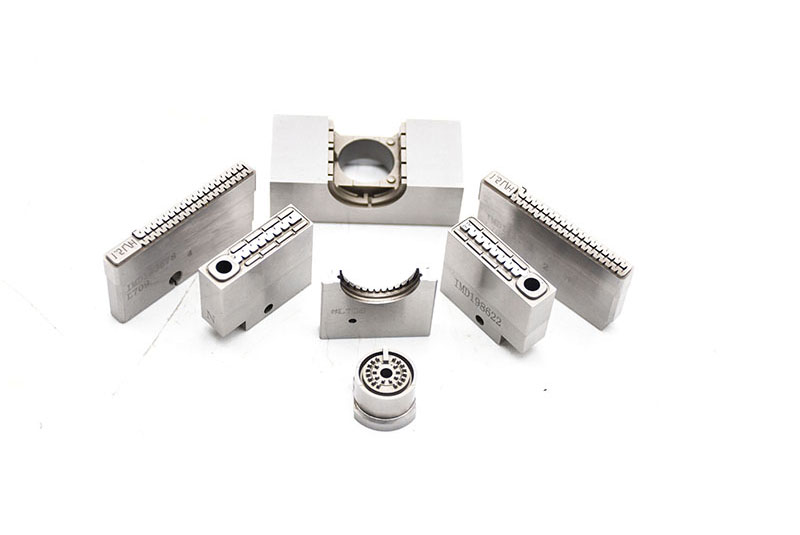
- Precision Irrigation mold cavity and spare parts
- zefu-mold
- 1431
Precision Multi-cavity Injection Mold for Irrigation Part
Explore More