News
- 2026-09-09
- 707
- 5 Comments
Precision Mold Low-Stress Machining: Stress-Free Processing to Avoid Long-Term Mold Deformation
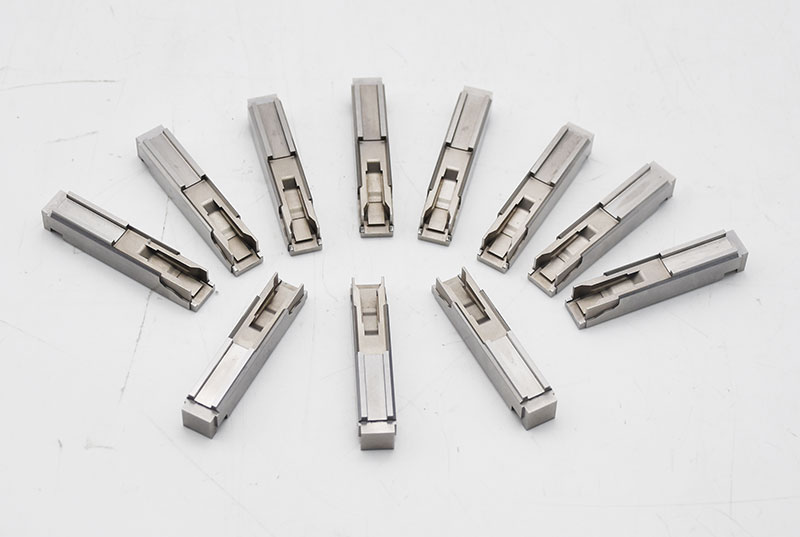
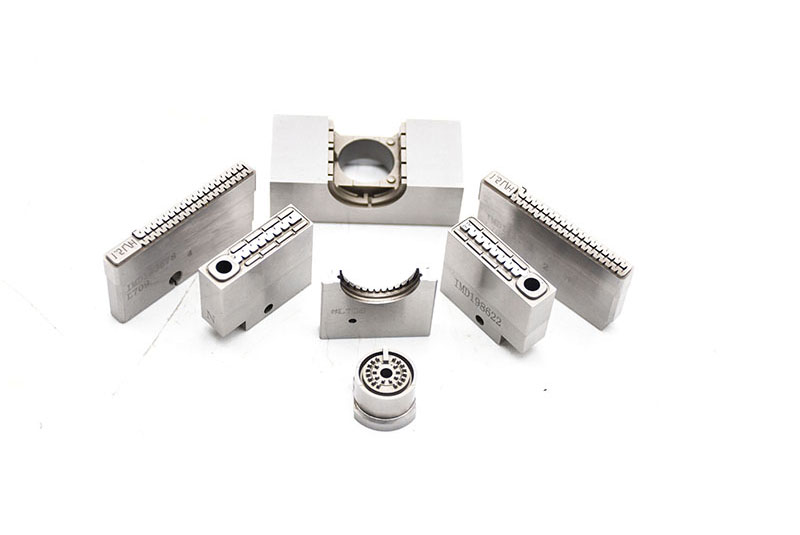
Most delayed deformation and size drift problems of precision molds are caused by residual processing stress, rather than assembly errors. Precision mold low-stress machining adopts optimized cutting parameters and multi-stage stress relief process to release internal steel stress during processing, ensuring thatprecision mold components remain stable and non-deformable after long-term high-temperature and high-pressure production.
We implement full-process low-stress processing for all high-end mold cores and thin-wall mold parts. By improving cutting path, reducing cutting heat and matching multiple stress relief treatments, we completely eliminate residual stress hidden dangers, making mold precision permanently stable.
Hazards of Residual Machining Stress
Traditional one-time high-speed cutting produces large cutting force and cutting heat, resulting in serious internal stress accumulation in mold steel. Although the size is qualified after processing, delayed deformation will occur after mold assembly, temperature rise and long-term vibration.
Stress-induced micro-deformation causes mold gap changes, unilateral flash, unstable product size and warpage deformation. It is the most hidden and difficult-to-solve quality problem in ordinary plastic mold parts machining.
Our Low-Stress Precision Machining System
We adopt layered roughing, intermittent cutting and low-feed high-speed finishing strategies to reduce cutting extrusion force and heat accumulation. After roughing, we arrange special stress relief treatment to release primary internal stress of mold steel.
After finishing and heat treatment, we perform secondary stress calibration to ensure zero residual stress inside precision mold components. The whole process avoids stress concentration caused by sudden cutting and unilateral processing.
Long-Term Mold Stability Benefits
Precision mold low-stress machining fundamentally solves delayed deformation and precision drift of mold parts, ensures long-term dimensional stability of precision molds, and greatly reduces mold debugging and maintenance frequency. It is a necessary processing technology for high-end precision molds that pursue long-cycle stable mass production.
Related Posts
- Precision Irrigation mold cavity and spare parts
- zefu-mold
- 1497
Precision Multi-cavity Injection Mold for Irrigation Part
Explore More