News
- 2026-08-31
- 608
- 5 Comments
Mold Surface Hardening & Anti-Rust Treatment: Post-Processing Technology for Long-Term Mold Stab
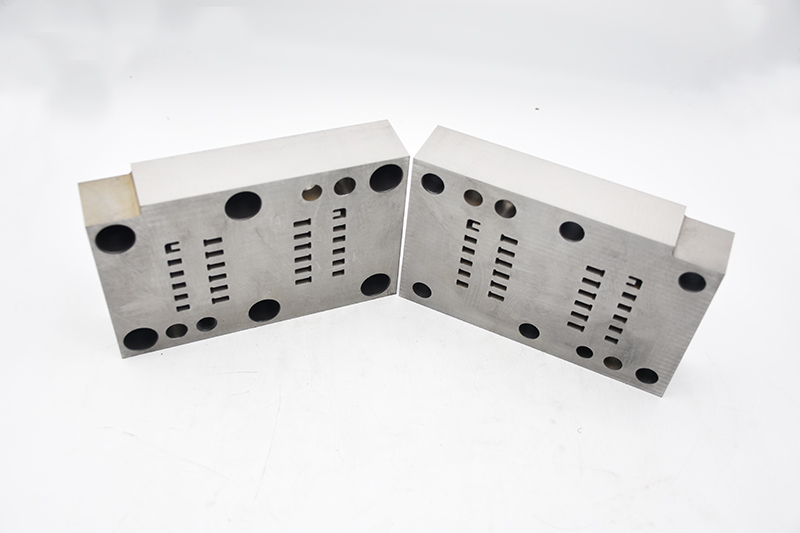
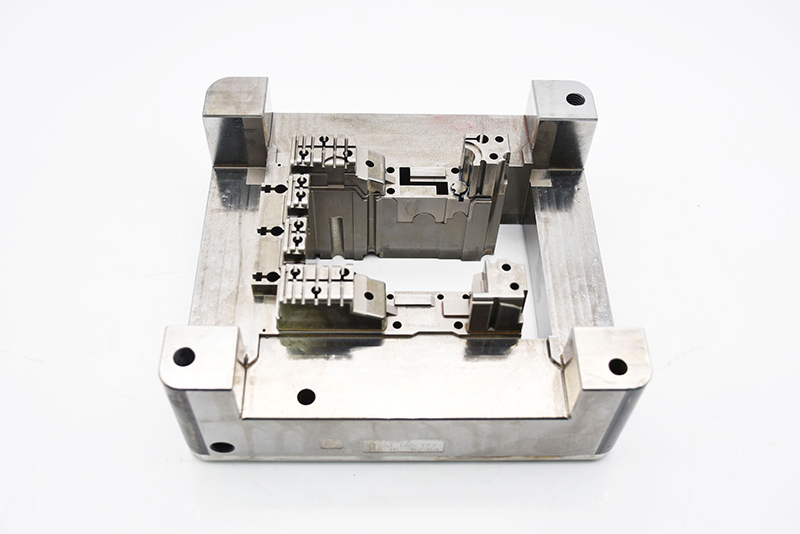
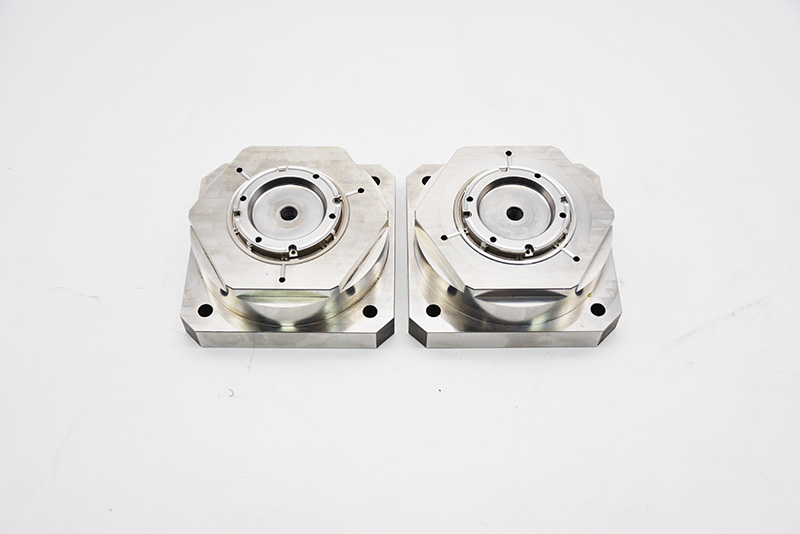
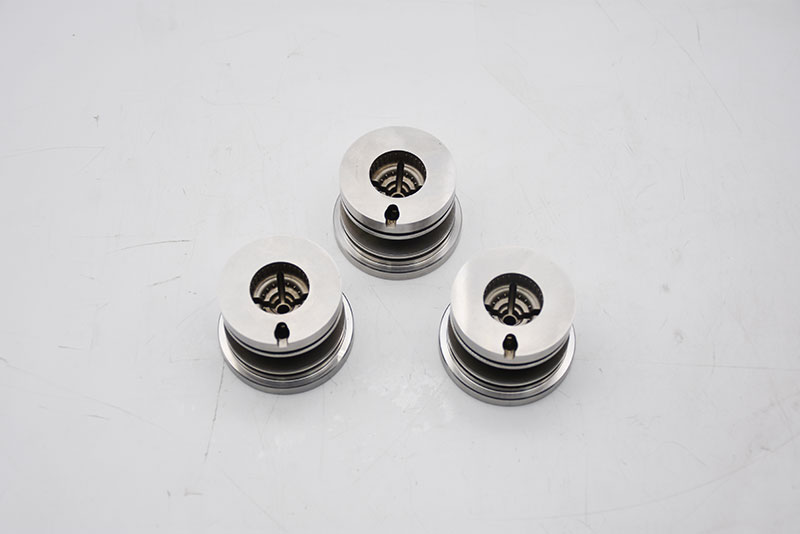
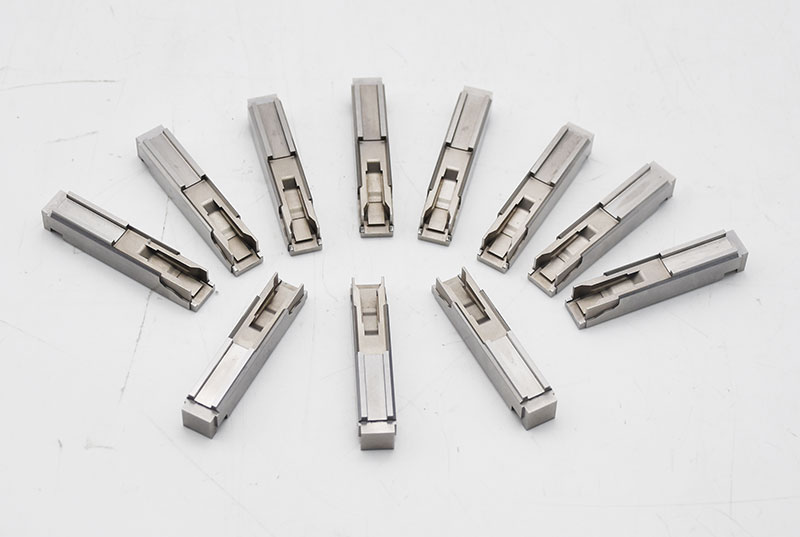
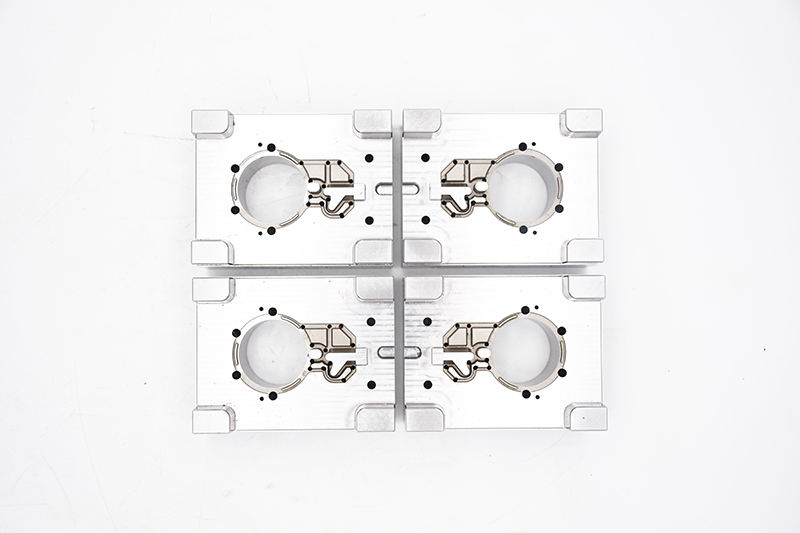
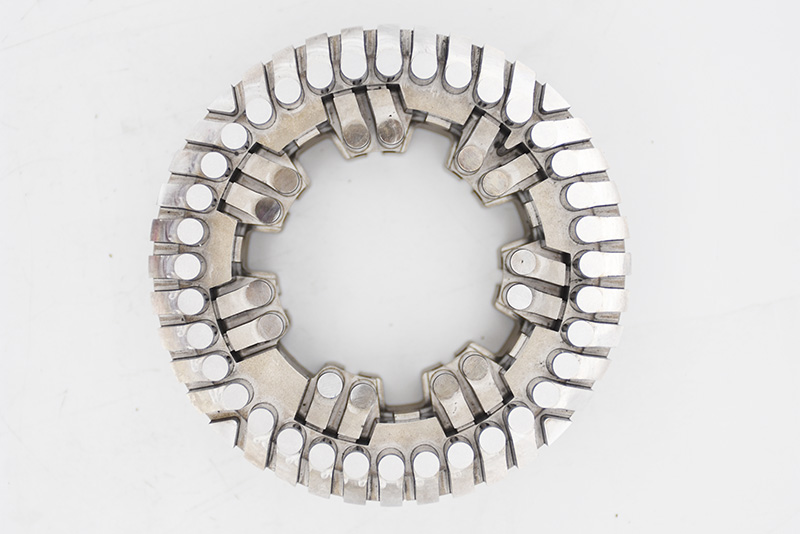
The service life and anti-fatigue performance of precision mold components depend not only on precision machining, but also on professional post-surface treatment. Mold surface hardening and anti-rust treatment includes nitriding, hard oxidation, polishing anti-corrosion and anti-rust sealing processes, which effectively improve mold hardness, corrosion resistance and oxidation resistance, and avoid mold rust, surface peeling and wear failure in long-term production and storage.
We provide one-stop surface treatment services for all processed plastic mold parts and mold cores. Targeted surface reinforcement and anti-rust protection are carried out according to mold usage scenarios, greatly extending the service life of precision molds and maintaining stable molding quality.
Problems Caused by Lack of Mold Surface Protection
Untreated mold steel surfaces are prone to oxidation rust, moisture corrosion and plastic gas corrosion during long-term production. Corroded mold cores produce pitting, foggy surfaces and sticky molds, resulting in defective product appearance. Unhardened surfaces wear quickly, causing size enlargement and flash after mass production.
Unprotected mold parts also rust easily during mold transportation and inventory storage, leading to precision loss and increased maintenance costs.
Our Professional Mold Surface Treatment Process
After completing precision mold core machining and parts finishing, we select targeted surface treatment schemes: nitriding treatment improves surface hardness and wear resistance; mirror anti-rust polishing isolates air oxidation; anti-corrosion sealing treatment resists acid-base gas corrosion.
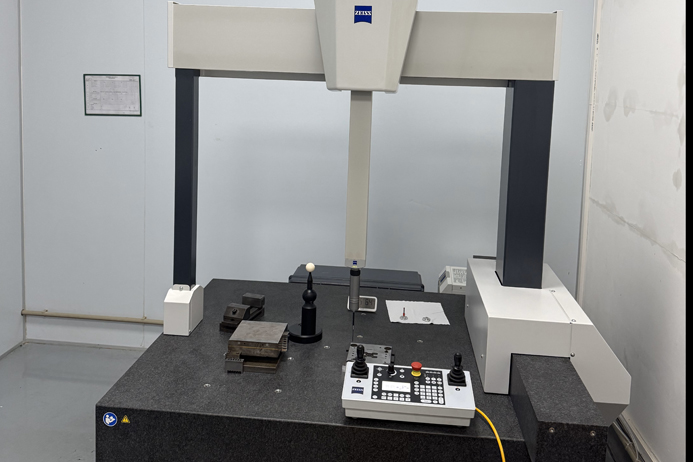
All surface treatment processes strictly control thickness to ensure no dimensional change of precision mold components, retaining original micron-level tolerance while achieving anti-rust, anti-corrosion and wear-resistant effects.
Long-Term Mold Maintenance Benefits
Professional mold surface hardening and anti-rust treatment greatly enhances the durability and stability of precision molds, reduces mold cleaning and maintenance frequency, and avoids quality fluctuations caused by mold surface aging. It is the most cost-effective post-processing solution to maintain long-term high-precision operation of injection molds.
Related Posts
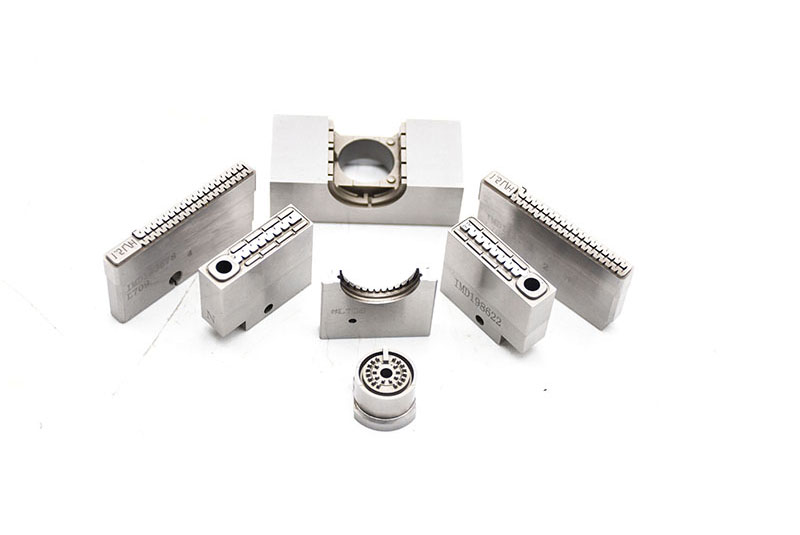
- Precision Irrigation mold cavity and spare parts
- zefu-mold
- 1481
Precision Multi-cavity Injection Mold for Irrigation Part
Explore More