News
- 2026-07-14
- 270
- 5 Comments
Export Standard Precision Mold Parts Machining: Meet RoHS, IATF 16949 & FDA Global Certification
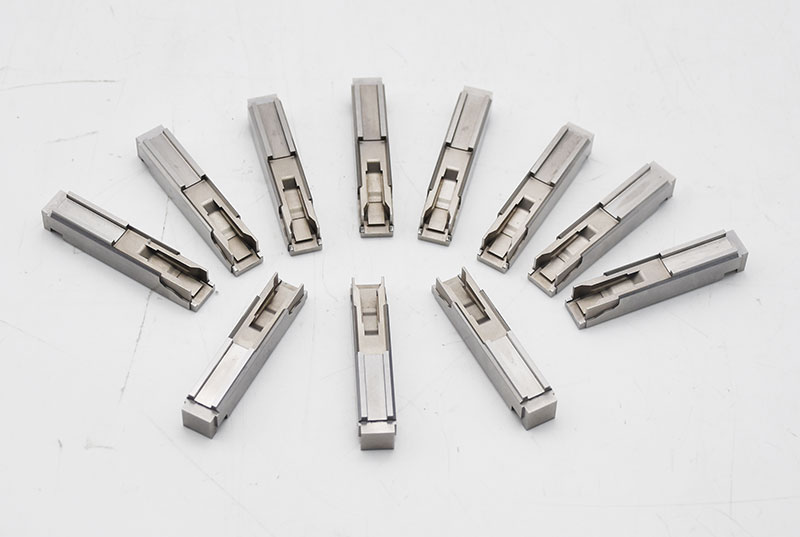
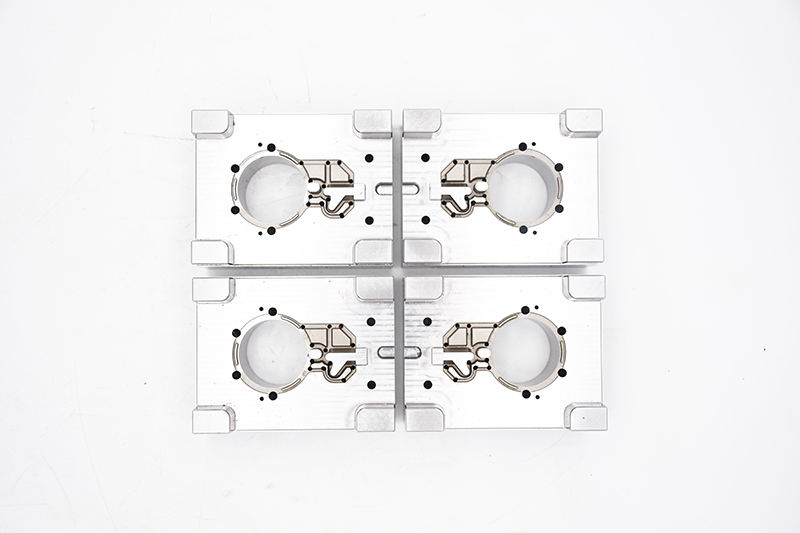
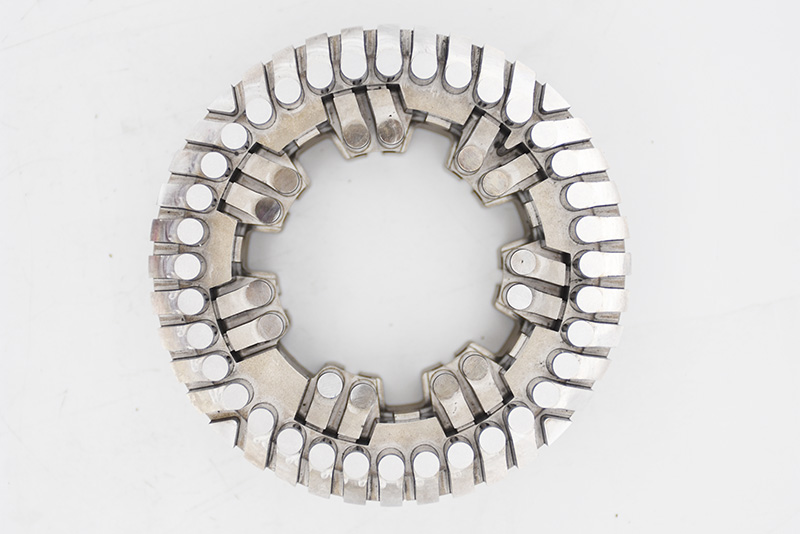
For manufacturers exporting products to Europe, North America and Southeast Asia, mold accessories must comply with international industrial certification standards. Ordinary domestic precision mold parts machining often ignores material traceability, heavy metal control and clean production requirements, which may lead to finished products failing customs inspection and overseas quality audits, resulting in cargo detention and order losses. Our export-grade precision mold components strictly follow global industrial compliance standards, supporting all overseas product certification demands.
We build a full compliance system for export-oriented precision mold parts machining. All raw mold steel has complete material test certificates, processing materials meet RoHS low heavy metal standards, and medical and automotive mold parts support FDA and IATF 16949 traceability files respectively. Every batch of exported precision mold parts can provide complete inspection and material reports for overseas customer audit.
Risks of Non-Compliant Mold Parts for Export Business
Using uncertified precision mold components produced by non-standard precision mold processing will bring huge export risks: heavy metal exceeding standard leads to customs cargo seizure; unrecorded material batches cannot pass European and American factory audits; medical mold parts without clean processing records fail FDA registration.
Once export goods are detained or returned, manufacturers will face high logistics costs, order delays and permanent damage to overseas customer trust, which far exceeds the initial savings on cheap mold parts.
Our Full Compliance Export Machining System
Raw material incoming inspection: screen steel with complete MSDS certificates, reject materials exceeding RoHS restricted substances;
Segmented production lines: separate automotive, medical and general export mold processing to avoid cross-contamination in precision mold parts machining;
Full-document archiving: record processing batch, heat treatment parameters, dimensional inspection data for each set of precision mold components;
Standard export packaging: dust-free vacuum packaging with anti-rust treatment, suitable for long-distance sea and air transportation.
Our factory has passed ISO 9001 and IATF 16949 certification, and all export precision mold processing links are audited regularly to maintain stable compliance capacity.
Advantages for Export Manufacturers
Compliant export-level precision mold parts machining eliminates customs and certification risks for overseas shipments, simplifies customer audit procedures, and helps manufacturers steadily maintain long-term cooperation with European, American and Southeast Asian buyers. If you produce products for global export, our certified precision mold components are the reliable supporting choice for your molds.
Related Posts
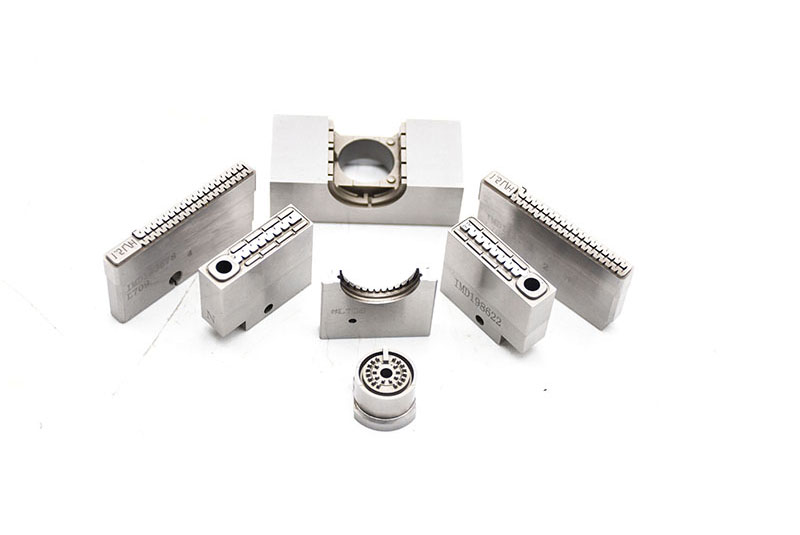
- Precision Irrigation mold cavity and spare parts
- zefu-mold
- 1442
Precision Multi-cavity Injection Mold for Irrigation Part
Explore More