News
- 2026-06-29
- 236
- 5 Comments
Mold Precision Compensation Technology: How Advanced Machining Solves Thermal Deformation & Wear
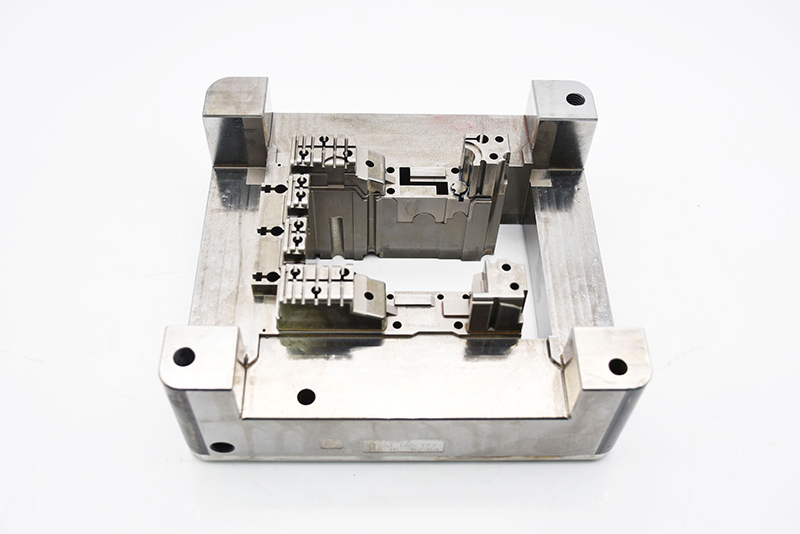
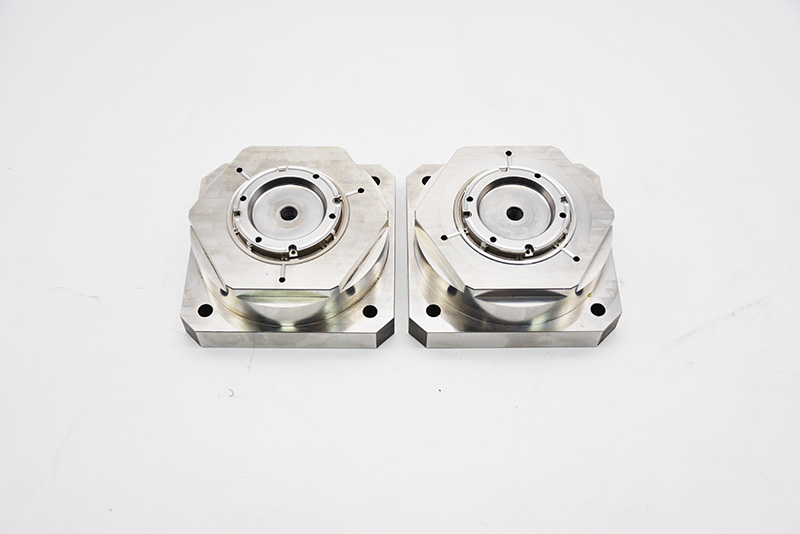
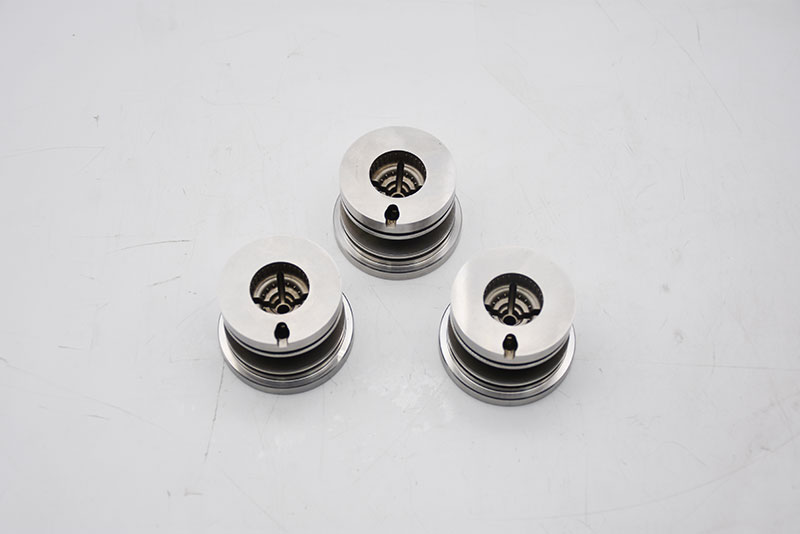
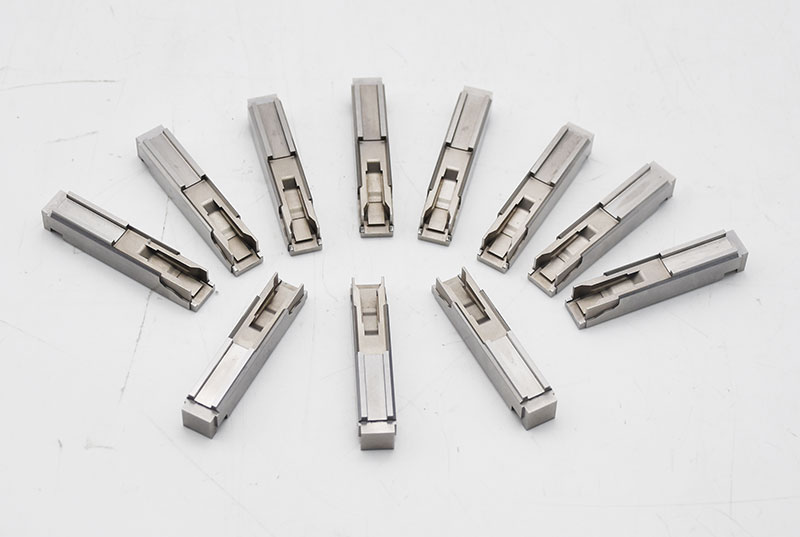
In long-term high-cycle injection molding and die-casting production, molds are constantly affected by high temperature, high pressure and repeated friction, resulting in thermal expansion, deformation and gradual wear of precision mold components. Even if the initial precision mold parts machining tolerance is perfect, continuous production will cause precision drift and product dimensional deviation. Professional mold precision compensation technology is the key to long-term stable mold accuracy.
We adopt advanced precision compensation processing technology in precision mold parts machining. According to the thermal expansion coefficient and wear law of different mold steels, we preset reasonable tolerance compensation values to offset production deformation errors, ensuring that the mold maintains stable precision during long-cycle mass production.
Why New Molds Lose Precision Quickly in Mass Production
Ordinary precision mold parts machining only focuses on static room-temperature dimensional compliance, ignoring dynamic deformation during high-temperature operation. When the mold is heated, the mold core and cavity expand slightly, resulting in tight clamping, product flashing and dimensional changes. Long-term friction causes gradual wear of guide parts and inserts, leading to accumulated tolerance errors.
Without precision compensation design, even high-precision new molds will gradually produce defective products, requiring frequent shutdown adjustments and repairs, seriously affecting production stability.
Our Dynamic Precision Compensation Machining Solution
In the precision mold parts machining process, our engineers formulate targeted compensation schemes based on mold material, molding temperature, product material and production cycle. We reserve scientific compensation tolerance for thermal deformation, high-temperature expansion and friction wear positions.
For high-temperature working parts of new energy and die-casting molds, we strengthen anti-deformation processing and margin compensation. For long-cycle plastic molds, we optimize the wear compensation of moving precision mold components to ensure that the mold can still maintain standard tolerance after tens of thousands of injections.
Long-Term Production Stability Value
Mold precision compensation precision mold parts machining technology effectively delays mold precision attenuation, reduces mold adjustment frequency and maintenance times, and keeps product dimensional consistency stable for a long time. It greatly improves the overall service life and production efficiency of the mold, helping manufacturers achieve low-cost and high-stable continuous production.
Choose our compensated precision mold processing technology to keep your mold precision always in the best state.
Related Posts
- Precision Irrigation mold cavity and spare parts
- zefu-mold
- 1442
Precision Multi-cavity Injection Mold for Irrigation Part
Explore More