News
- 2026-06-08
- 614
- 5 Comments
Material Selection for Precision Mold Parts Machining: Match the Right Steel for Your Production Sce
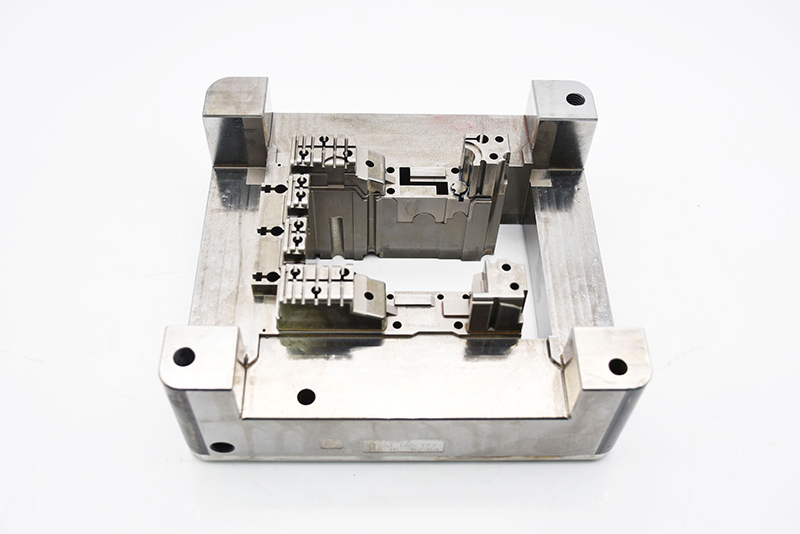
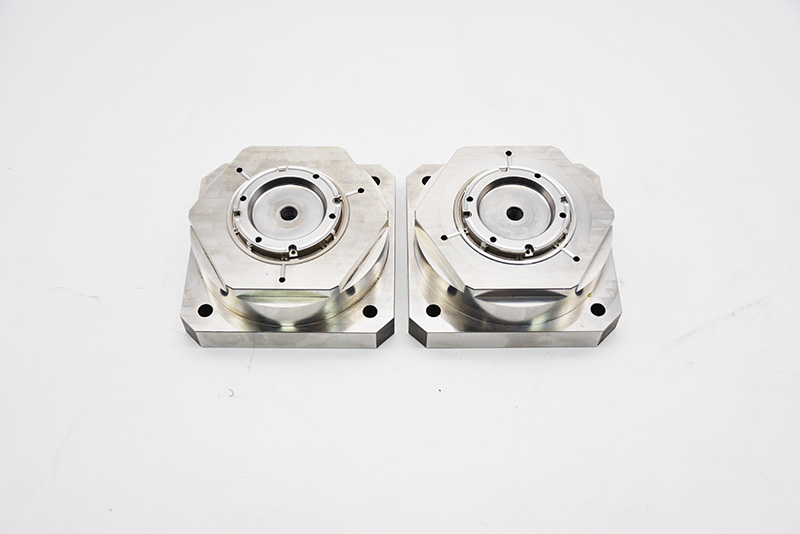
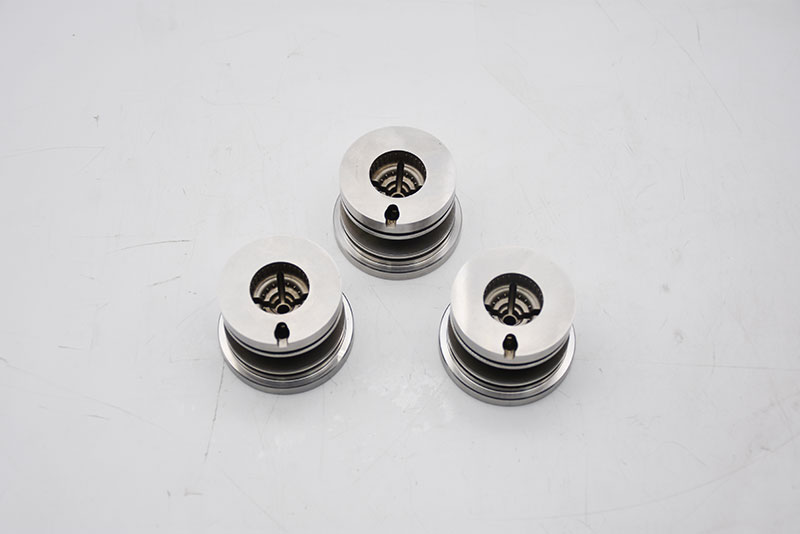
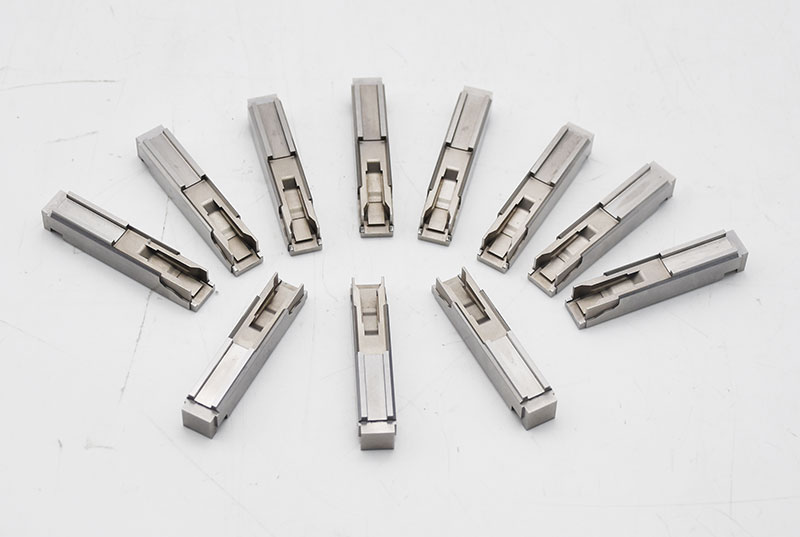
Material selection is the foundation of high-quality precision mold parts machining. The service life, precision stability, high-temperature resistance and wear resistance of precision mold components are all determined by mold steel materials. Many manufacturers blindly pursue low prices or single high-hardness materials, resulting in mismatched mold parts and actual production scenarios. Improper material selection leads to frequent mold failure, short service life and increased comprehensive production costs, even if theprecision mold parts machining accuracy meets the standard.
Professional precision mold parts machining is not one-size-fits-all processing, but targeted material matching according to product materials, production cycles and molding environments. We have in-depth understanding of the performance of various mold steels, providing personalized material selection schemes for different production scenarios, ensuring that every precision mold part achieves the best balance of precision, durability and cost performance.
Common Material Selection Mistakes in Precision Mold Processing
Many customers and ordinary processing factories have misunderstandings in material selection for precision mold parts machining. Some choose low-cost inferior mold steel for high-cycle production, resulting in rapid wear and deformation of precision mold components; some blindly use high-end imported steel for low-demand small-batch production, causing unnecessary cost waste.
In addition, ignoring material characteristics matching will also cause production problems. For example, ordinary steel cannot withstand high-temperature die-casting production, and non-corrosion-resistant steel is prone to rust and oxidation when processing chemical plastic materials. These material mismatches will completely offset the precision advantages ofprecision mold processing and affect product quality.
Our Professional Material Matching Scheme for Different Scenarios
We customize material selection for all precision mold parts machining projects based on customer production needs. For daily plastic product molds with conventional production, we select SKD61 and H13 mold steel, which balance wear resistance and cost, suitable for medium and high-cycle mass production.
For high-precision electronic and medical product precision mold components requiring high finish and corrosion resistance, we adopt S136 and 420SS stainless steel materials. After professional heat treatment, the materials have stable performance, smooth molding surface, no rust and no pollution, meeting high-end product production standards.
For new energy die-casting molds and high-temperature working molds, we use high-temperature resistant alloy steel to ensure thatprecision mold parts do not deform or soften in high-temperature environments, maintaining long-term precision stability. Every material selection is verified by professional engineers to avoid mismatching risks.
Advantages of Targeted Material Matching
Scientific material selection makes precision mold parts machining more targeted, maximizing the performance advantages of precision mold components. Reasonable material matching can extend mold service life, stabilize molding quality, reduce maintenance costs, and avoid unnecessary material waste. It is the key to realizing high cost performance in long-term mold production.
If you are confused about mold steel selection for your project, consult our professional team. We provide free material matching suggestions and customized precision mold processing solutions to create the most suitable mold parts for your production.
Related Posts
- Precision Irrigation mold cavity and spare parts
- zefu-mold
- 1442
Precision Multi-cavity Injection Mold for Irrigation Part
Explore More