News
- 2026-04-29
- 644
- 5 Comments
Precision Mold Core Machining for Next-Gen Robotics & Solid-State Battery Technology
As robotics evolves toward humanoid deployment and new energy shifts to solid-state batteries, the demand for precision mold core machining has reached new heights. Next-gen robotics and solid-state battery technologies require mold cores with unprecedented precision, complex geometries, and compatibility with advanced materials—standards that traditional machining suppliers struggle to meet. For manufacturers at the forefront of these innovations, partnering with a supplier that specializes in next-gen precision mold core machining is the key to leading the market.
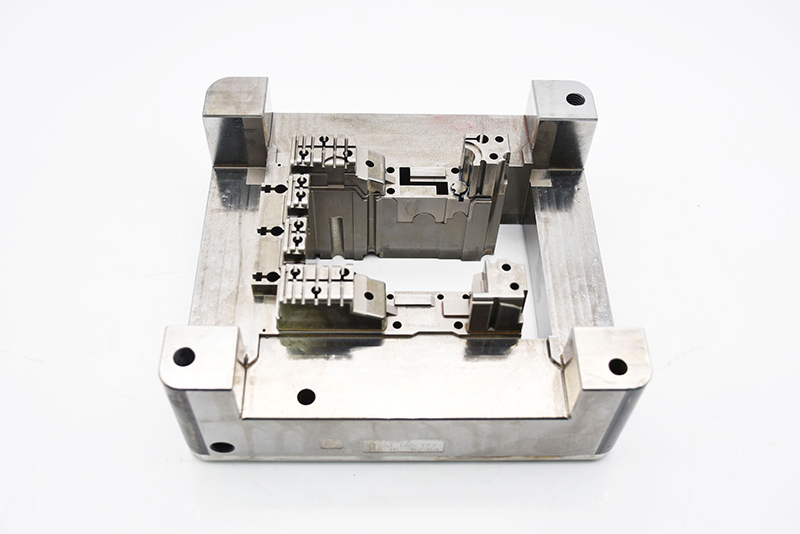
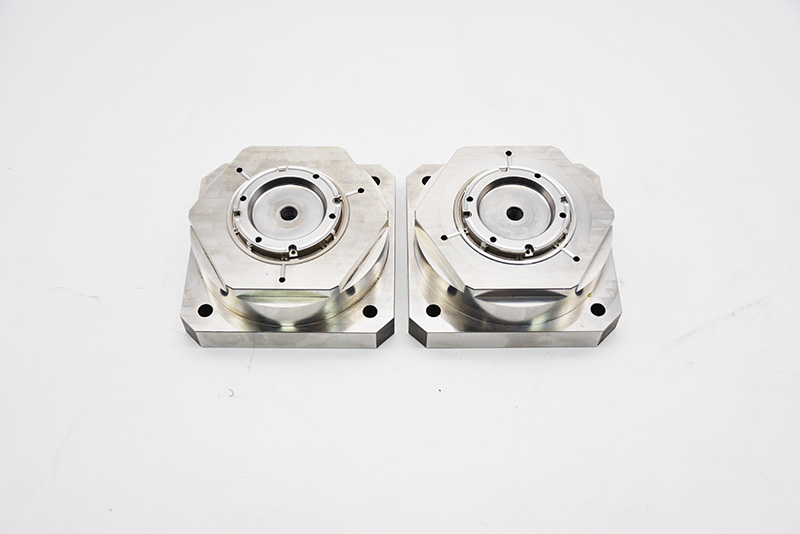
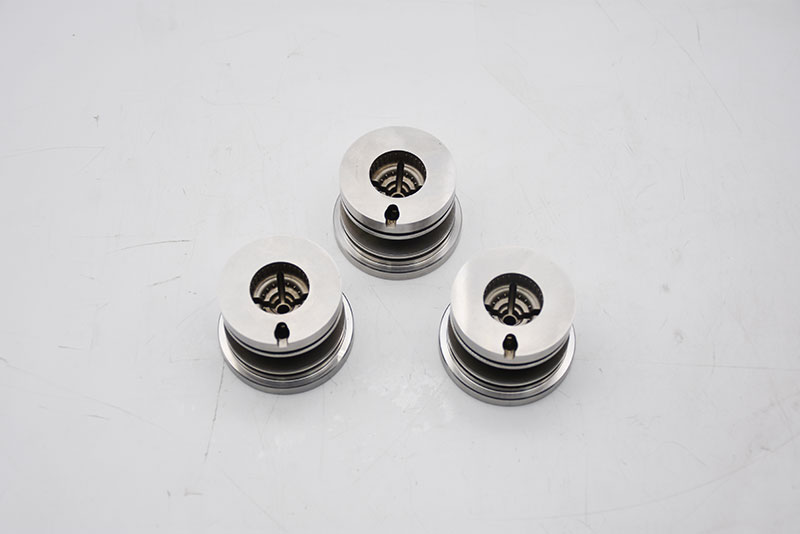
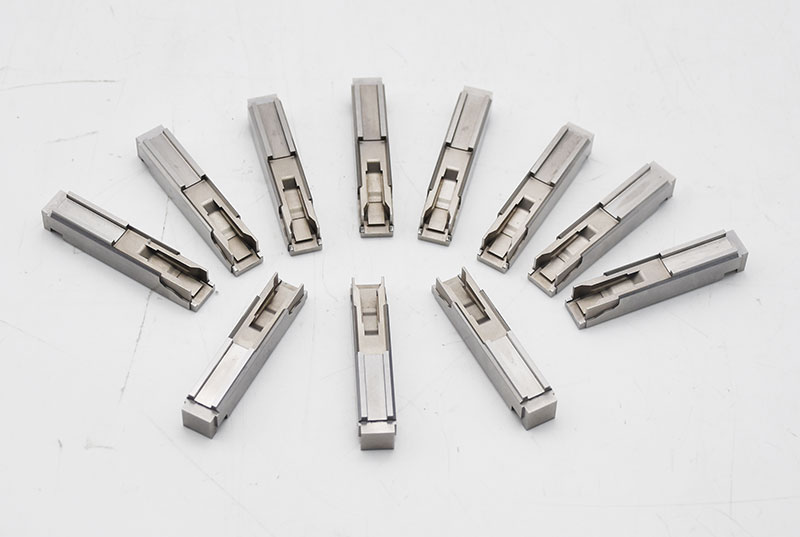
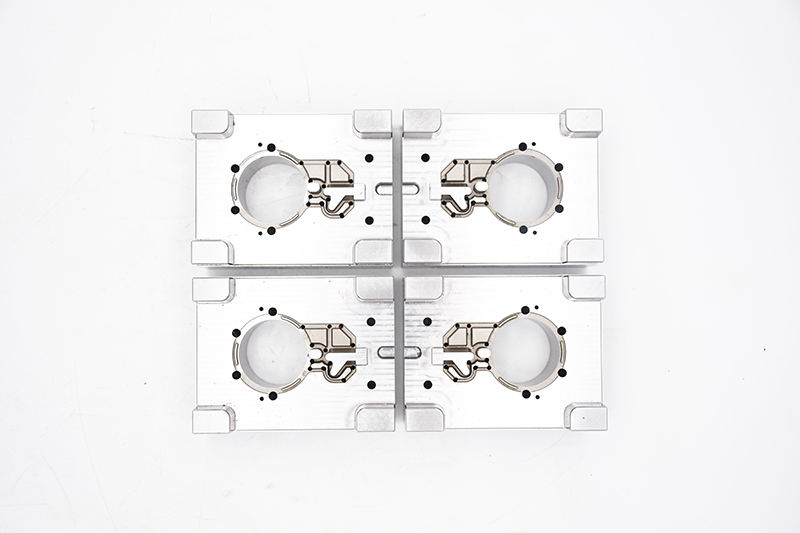
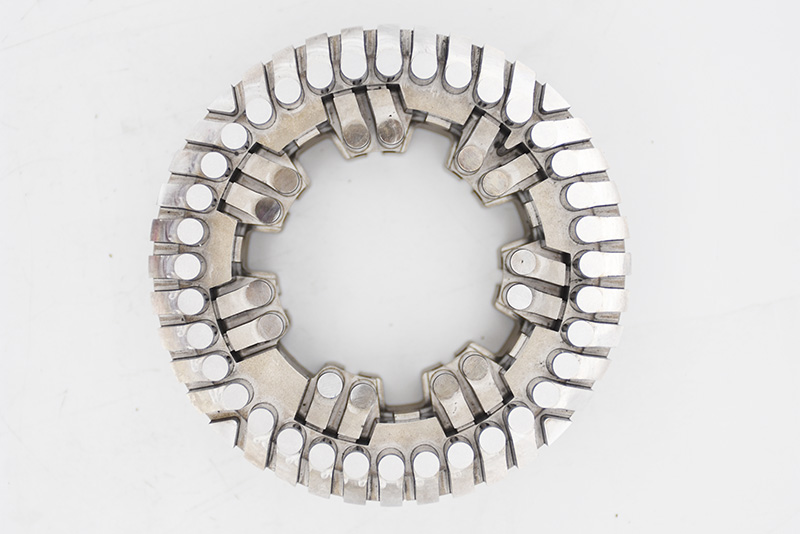
Precision mold cores are the critical components that shape the internal structure of next-gen robotics and solid-state battery parts. Humanoid robots require mold cores for miniaturized joints, lightweight structural components, and sensitive sensor housings—all with ±0.001mm tolerance and mirror-smooth surfaces. Solid-state batteries demand mold cores for thin-wall cell casings, cooling channels, and electrolyte compartments—requiring high thermal stability and corrosion resistance. Our advanced mold core machining technologies are engineered to meet these next-gen demands.
Precision Mold Cores for Next-Gen Robotics
Humanoid Robot Joints & Actuators:
Mold cores for lightweight, high-strength joint components (carbon fiber composites, PEEK) with complex curved surfaces and micro-ribs, ensuring smooth motion and load capacity. Our 5-axis CNC + EDM hybrid processing achieves Ra0.005μm surface finish and concentricity ≤0.002mm—critical for zero backlash in humanoid robot joints.
Miniaturized Robotics Sensors:
Micro-mold cores for vision sensors, force sensors, and position encoders, featuring micro-cavities as small as 0.1mm and thin walls ≤0.3mm. Our wire EDM technology ensures precise micro-features without damaging the mold core, enabling the miniaturization of next-gen robotics sensors.
Collaborative Robot Components:
Mold cores for soft grippers and safety components, requiring flexible, high-precision molding with consistent wall thickness. Our digital simulation optimizes core design to reduce warpage, ensuring the reliability of collaborative robot parts.
Precision Mold Cores for Solid-State Battery Technology
Solid-State Battery Cell Casings:
Mold cores for thin-wall cell casings (wall thickness ≤0.5mm) with ±0.001mm tolerance, ensuring airtight sealing and compatibility with solid electrolytes. Our H13 hot-work steel cores withstand high temperatures (up to 200°C) during molding, maintaining dimensional stability.
Cooling Channel Components:
Mold cores for complex cooling channels in solid-state battery packs, featuring intricate geometries to optimize thermal management. Our ultra-precision grinding ensures smooth channel surfaces, reducing friction and improving heat dissipation.
Electrolyte Compartments:
Mold cores for electrolyte compartments, requiring corrosion resistance and chemical compatibility with solid electrolytes. Our plasma nitriding treatment enhances core durability, ensuring long-term performance in solid-state battery systems.
Leading the way in next-gen robotics and solid-state battery technology requires precision mold cores that push the boundaries of machining. Send your next-gen project details today—our engineering team will provide a free customized mold core proposal, including material recommendations, process design, and sample testing to validate performance. Book a free 15-minute technology consultation to learn how our precision mold core machining can help you bring next-gen products to market faster. Don’t just keep up with innovation—lead it with our advanced mold core solutions.
Related Posts
- Precision Irrigation mold cavity and spare parts
- zefu-mold
- 1442
Precision Multi-cavity Injection Mold for Irrigation Part
Explore More