News
- 2025-12-30
- 633
- 5 Comments
Material Selection for Precision Mold Cores: Balancing Performance and Cost
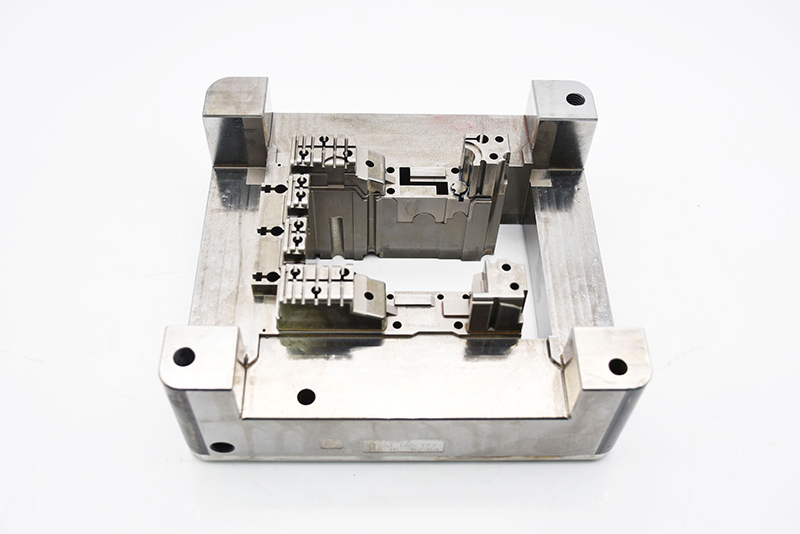
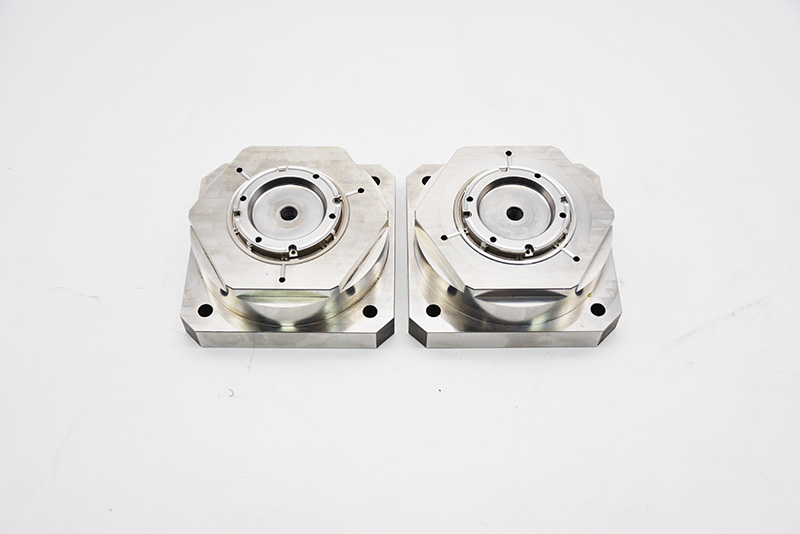
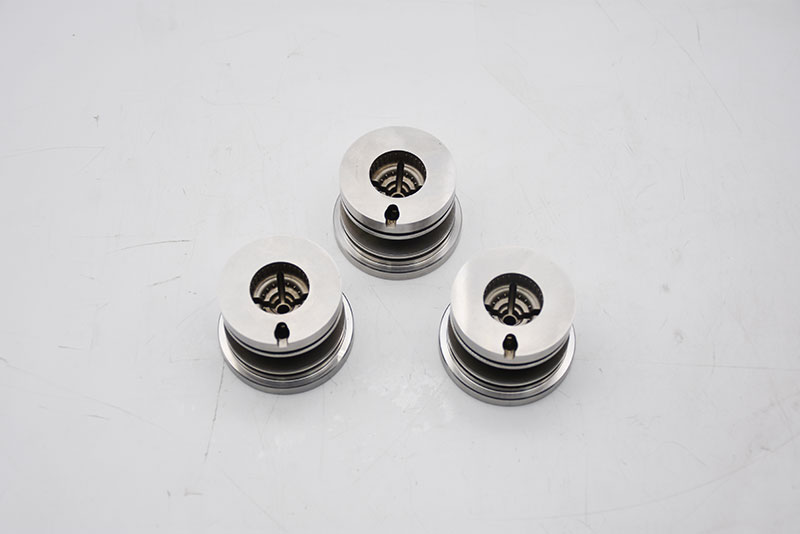
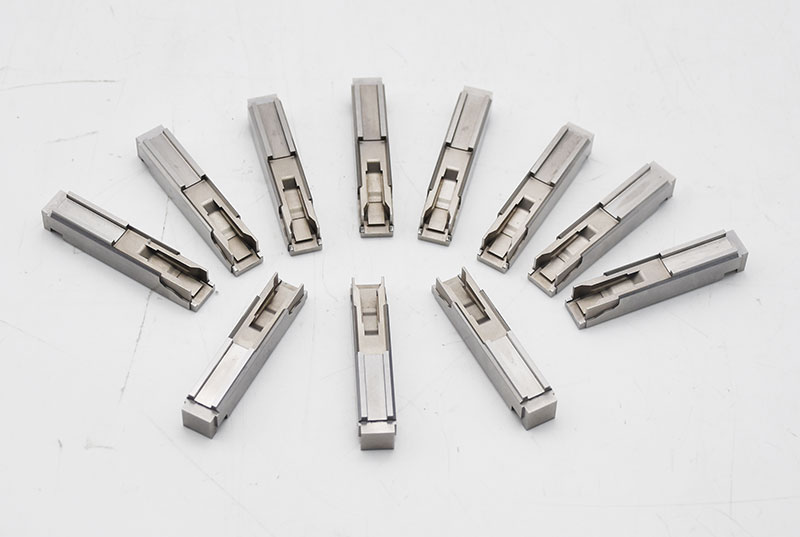
Precision mold cores are in direct contact with molten plastic during the injection molding process, bearing high temperature, pressure, and wear. Therefore, the selection of mold core materials must take into account multiple factors such as hardness, wear resistance, corrosion resistance, and machinability. At the same time, cost control is also an important consideration for manufacturers. This article analyzes the characteristics of common precision mold core materials and provides suggestions for material selection.
Common Precision Mold Core Materials and Their Characteristics
S136 stainless steel is a commonly used material for high-end precision mold cores, with excellent corrosion resistance, polishing performance, and wear resistance. It can withstand the erosion of corrosive plastics (such as PVC) and is suitable for mold cores for transparent products, medical devices, and food packaging. After heat treatment, the hardness of S136 can reach HRC 58-60, and its surface can be polished to a mirror finish, which effectively improves the surface quality of products.
H13 hot work die steel is widely used in mold cores for engineering plastic products (such as ABS, PC). It has high toughness, thermal stability, and wear resistance, and can withstand repeated thermal shocks during injection molding. H13 is easy to machine and heat treat, and its cost is relatively lower than that of S136, making it a cost-effective choice for medium and high-end mold cores.
P20 pre-hardened steel is suitable for mold cores for general plastic products. It does not require post-heat treatment after machining, which reduces the processing cycle and avoids deformation caused by heat treatment. The hardness of P20 is HRC 28-32, which has good machinability and toughness, but its wear resistance is relatively poor, so it is not suitable for mass production or products with high surface requirements.
For mold cores with special requirements, such as high wear resistance and high temperature resistance, special materials such as tungsten carbide and titanium alloy can be selected. However, these materials have high costs and poor machinability, which are only used in special fields such as aerospace and precision electronics.
Material Selection Principles
When selecting precision mold core materials, first, it is necessary to consider the characteristics of the processed plastic (such as temperature, corrosion, and wear), the production batch (mass production or small-batch trial production), and the product quality requirements (surface finish, dimensional accuracy). Second, the machinability and heat treatment performance of the material should be balanced to ensure processing efficiency and reduce production costs. Finally, the supply and cost of materials should be considered to avoid affecting the production schedule due to material shortage.
Related Posts
- Precision Irrigation mold cavity and spare parts
- zefu-mold
- 1442
Precision Multi-cavity Injection Mold for Irrigation Part
Explore More