News
- 2025-12-30
- 481
- 5 Comments
Future Trends in Precision Mold Parts Machining: Intelligence and High-Efficiency
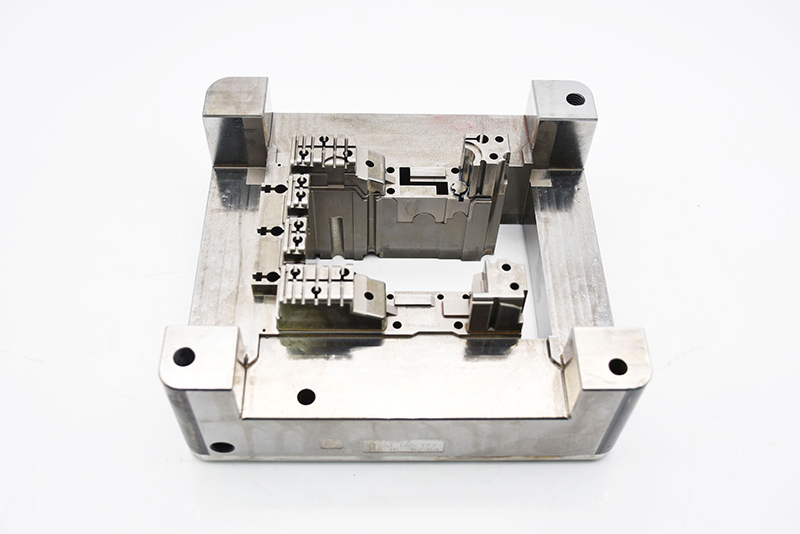
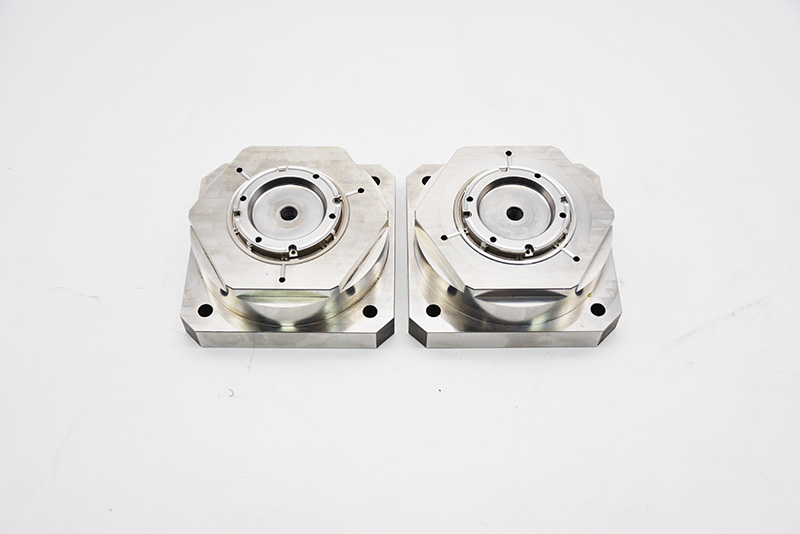
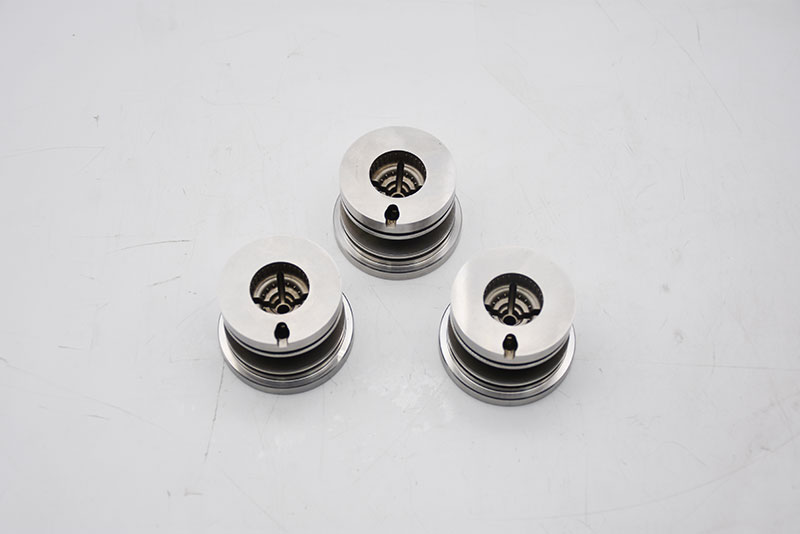
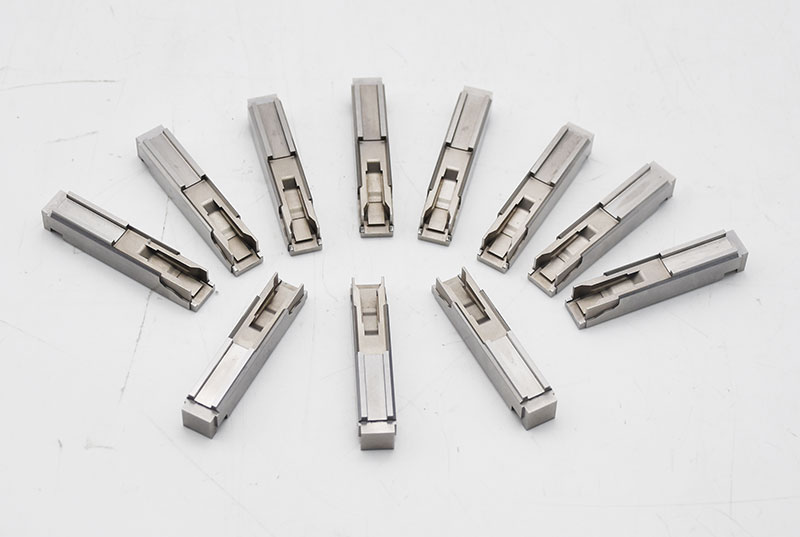
With the rapid development of industries such as new energy vehicles, 5G communications, and medical devices, the demand for precision mold parts is showing a trend of high precision, complex structure, and short delivery cycle. To meet these demands, precision mold parts machining technology is constantly innovating and upgrading. This article explores the future development trends of precision mold parts machining.
Intelligent Machining: Driven by Industry 4.0
Intelligent machining is the core trend of precision mold parts machining. By integrating technologies such as the Internet of Things (IoT), big data, and artificial intelligence (AI), the entire machining process can be automated and intelligentized. Intelligent machine tools equipped with sensors can monitor machining parameters (such as cutting force, spindle speed, and temperature) in real time, and use AI algorithms to predict tool wear and machining errors, realizing predictive maintenance and adaptive adjustment. In addition, digital twin technology can establish a virtual model of the machining process, simulate and optimize the machining process before actual production, reducing trial and error costs and improving production efficiency.
High-Efficiency Machining: Improving Production Capacity
High-efficiency machining technology is constantly advancing to meet the demand for short delivery cycles. On the one hand, high-speed cutting technology is developing towards higher speeds and higher rigidity. The spindle speed of ultra-high-speed milling machines has exceeded 100,000 rpm, which can significantly reduce machining time. On the other hand, composite machining technology (such as turning-milling composite, milling-EDM composite) integrates multiple processes into one machine tool, realizing one-time clamping and multi-process machining, which reduces the number of clampings and cumulative errors, and improves processing efficiency and accuracy.
Green Machining: Responding to Environmental Requirements
Under the background of global environmental protection, green machining has become an important development direction of precision mold parts machining. Manufacturers are actively adopting environmentally friendly cutting fluids (such as vegetable oil-based cutting fluids) to reduce environmental pollution. At the same time, dry cutting and minimum quantity lubrication (MQL) technologies are being promoted, which not only reduce the use of cutting fluids but also improve the working environment of the workshop. In addition, the recycling and reuse of waste materials and energy-saving transformation of equipment are also important measures for green machining.
Micro-Machining: Meeting the Demand for Miniature Products
With the miniaturization of electronic products and medical devices, the demand for micro-precision mold parts (such as micro-mold cores, micro-cavities) is increasing. Micro-machining technology, such as micro-EDM, micro-milling, and laser machining, can process mold parts with dimensions of several microns to tens of microns. The development of micro-machining technology will further expand the application scope of precision mold parts in high-tech fields.
In conclusion, the future of precision mold parts machining will be dominated by intelligence, high efficiency, green, and micro-machining. Manufacturers who actively embrace these trends and upgrade their technologies will gain a competitive advantage in the market.
Related Posts
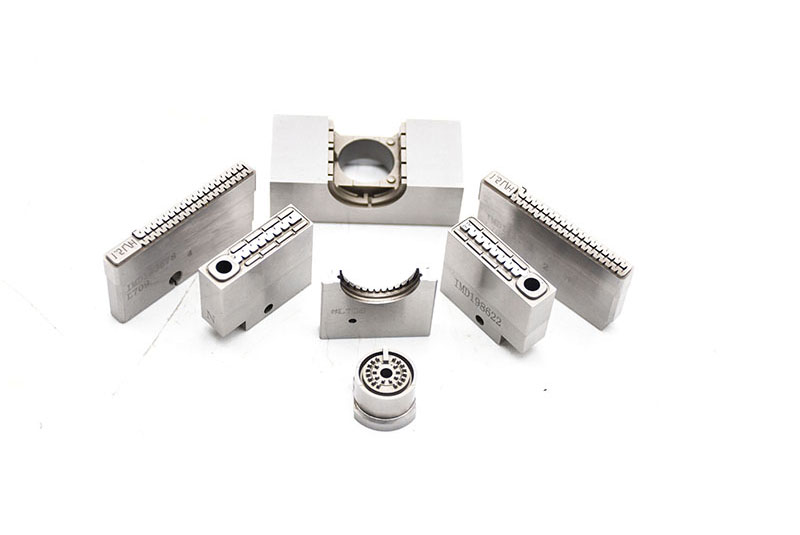
- Precision Irrigation mold cavity and spare parts
- zefu-mold
- 1442
Precision Multi-cavity Injection Mold for Irrigation Part
Explore More